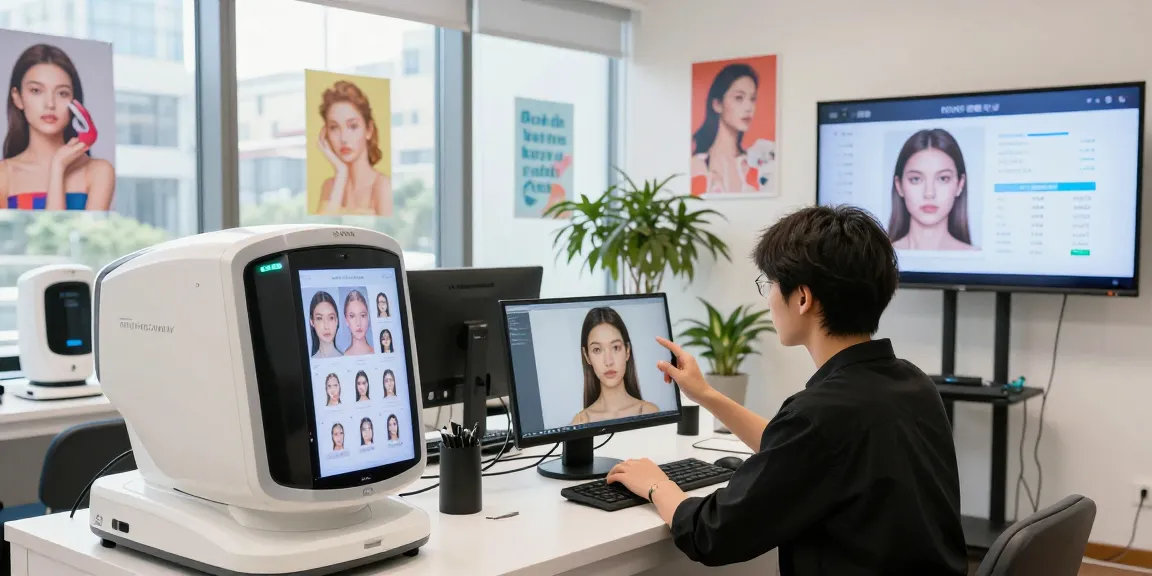
Understanding the Attractive Test: What It Is and Its Purpose
The concept of attractiveness spans beyond mere physical beauty, intricately woven into cultural, psychological, and social fabrics. The attractive test serves as a modern tool for assessing one’s perceived beauty through various algorithms and metrics. It leverages technology to analyze features such as symmetry, facial proportions, and recognition of aesthetic principles that have permeated societies for centuries. In this article, we delve deep into the essence of the attractive test, its historical evolution, and how it informs our understanding of beauty today.
What is an Attractive Test?
An attractive test is an innovative digital assessment that quantitatively evaluates a person's facial features and overall symmetry to derive a beauty score. Utilizing advanced artificial intelligence (AI) and facial recognition technology, these tests can measure elements such as the golden ratio, eye spacing, and facial angles. The core idea is to identify patterns that are widely perceived as beautiful across different cultures, providing a numerical representation of attractiveness.
Historical Context of Attractiveness Assessments
The assessment of attractiveness isn't a new phenomenon. From ancient civilizations that revered the ideals of beauty in their art and architecture to contemporary psychological studies on attraction, society has always sought to define and measure beauty. Historical texts and artworks illuminate the standards of beauty that shifted across eras, often influenced by cultural values, social norms, and technological advances. This ongoing exploration underscores our inherent desire to understand our place within the wider tapestry of human attraction.
Significance of Facial Symmetry in Attraction
Facial symmetry is frequently cited in studies as a key driver of attractiveness. Research suggests that symmetrical faces are often perceived as healthier and more appealing. This perception is rooted in evolutionary biology, where symmetry may indicate genetic fitness. The attractive test harnesses this principle, analyzing facial features against established benchmarks of symmetry to derive scores that reflect societal beauty standards.
How AI and Technology Enhance the Attractive Test Experience
The integration of AI in attractiveness testing revolutionizes how individuals assess their appeal. By employing sophisticated algorithms that process images, these technologies can produce results with remarkable accuracy. As a result, users gain insights into their facial structure that were previously challenging to quantify. This transformation not only democratizes access to beauty standards but also allows personalized feedback based on real-time analysis.
Technology Behind Face Analysis Tools
Face analysis tools rely on a combination of machine learning, computer vision, and deep learning frameworks. These technologies analyze a myriad of facial landmarks—over 400 in some models—to evaluate features comprehensively. Algorithms dissect everything from the distance between the eyes to the contour of the jawline, aggregating these metrics into a final attractiveness score. The precision of these analyses marks a significant leap from subjective assessments to objective evaluations.
Data Privacy Concerns in AI Attractiveness Testing
While AI and facial recognition technologies offer exciting innovations, they also bring forth ethical considerations regarding data privacy. Users must often upload personal photos, raising concerns about how this data is stored, used, or shared. It’s essential for service providers to adopt transparent policies and stringent security measures to protect users' sensitive information while fostering trust in their platforms.
Advantages of AI in Personal Beauty Assessment
AI-driven attractiveness tests provide several advantages over traditional assessments. They offer objectivity, as algorithms apply consistent standards across all evaluations, mitigating the biases rooted in human assessment. Furthermore, users receive instant feedback, which can enhance their understanding of beauty standards and encourage self-improvement. This technology empowers individuals by allowing them to approach personal beauty actively, making informed choices in hair, makeup, and fashion.
Conducting Your Own Attractive Test: Step-by-Step Guide
Embracing the attractive test is straightforward and can yield insightful results. This section outlines how to conduct your own test, from preparation to interpretation of results.
Preparing Your Photo for Submission
To obtain the most accurate results, follow specific guidelines when preparing your photo. Use a high-resolution image with good lighting to ensure clarity. Aim for a neutral background and avoid heavy makeup or filters that could distort your true features. An unobstructed view of your face is crucial, so refrain from wearing accessories that may obscure facial details.
Interpreting Your Results: What Do They Mean?
Upon receiving your score, it’s important to contextualize what it represents. A high score may correlate to traditional beauty standards; however, this is just one interpretation. The results are not definitive measures of worth or desirability but rather a reflection of societal expectations. Consider your score as a perspective rather than a judgment—an invitation to explore the nuances of beauty.
Adjusting Your Beauty Regimen Based on Feedback
Using insights from your attractiveness test, you can tailor your beauty regimen accordingly. For instance, if the test highlights a need for improved facial symmetry, you might explore makeup techniques that enhance balance or consult with a professional for personalized advice. Whether it’s skincare or styling changes, these actionable steps can help align your aesthetic with how you wish to present yourself.
Common Misconceptions Surrounding Attractiveness Tests
Despite their growing popularity, many misconceptions surround attractiveness tests that warrant clarification. Understanding these myths can pave the way for a healthier relationship with beauty assessments.
Debunking Myths About Beauty Standards
One prevalent myth is that attractiveness tests provide unequivocal truths about beauty. In reality, these tests can only reflect specific standards prevalent in particular cultures and times. Beauty is multifaceted, and attractiveness varies widely among individuals. Embracing diversity in beauty standards is essential for fostering a more inclusive perspective on attractiveness.
Understanding the Subjectivity of Attractiveness
Attractiveness is inherently subjective, influenced by personal preferences and cultural contexts. What one person finds appealing may differ greatly from another’s viewpoint. This subjectivity further emphasizes that while tests can offer a snapshot of beauty according to established metrics, they cannot encapsulate the full spectrum of human attraction.
The Role of Cultural Influences in Beauty Perception
Cultural background plays a significant role in shaping perceptions of beauty. Different societies celebrate various traits and aesthetics, which can shift over time due to social evolution and media influences. The attractive test can inadvertently reinforce specific biases, so it’s crucial to approach results through an informed and critical lens.
Future Trends in Attractiveness Testing: Looking Ahead to 2026
As technology continues to evolve, the landscape of attractiveness testing is likely to undergo significant transformations. Here, we explore some of the anticipated trends that will shape this field in the coming years.
Emerging Technologies in Beauty Assessment
Future advancements in AI and image processing could lead to more nuanced assessments of attractiveness. Innovations might integrate augmented reality (AR) to allow users to visualize potential beauty changes in real-time, making testing more interactive and engaging. Moreover, the personalization potential of machine learning algorithms will likely enhance the precision of aesthetic feedback.
Changing Definitions of Attractiveness in Society
As society progresses, definitions of beauty are expected to evolve, emphasizing authenticity and individuality over traditional norms. There is a growing trend towards inclusivity in beauty standards, which could influence future attractiveness tests to consider a broader range of features beyond conventional aesthetics. This shift may redefine how attractive tests are developed and utilized.
Predictions for AI and Personal Beauty Tools
The future of personal beauty assessment tools points towards a more comprehensive approach that integrates psychological insights with technological assessments. AI may not only evaluate physical features but also assess personality traits and emotional resonance, providing a holistic view of attractiveness. This integration could empower individuals to cultivate their attractiveness from within, promoting a healthier relationship with personal beauty.