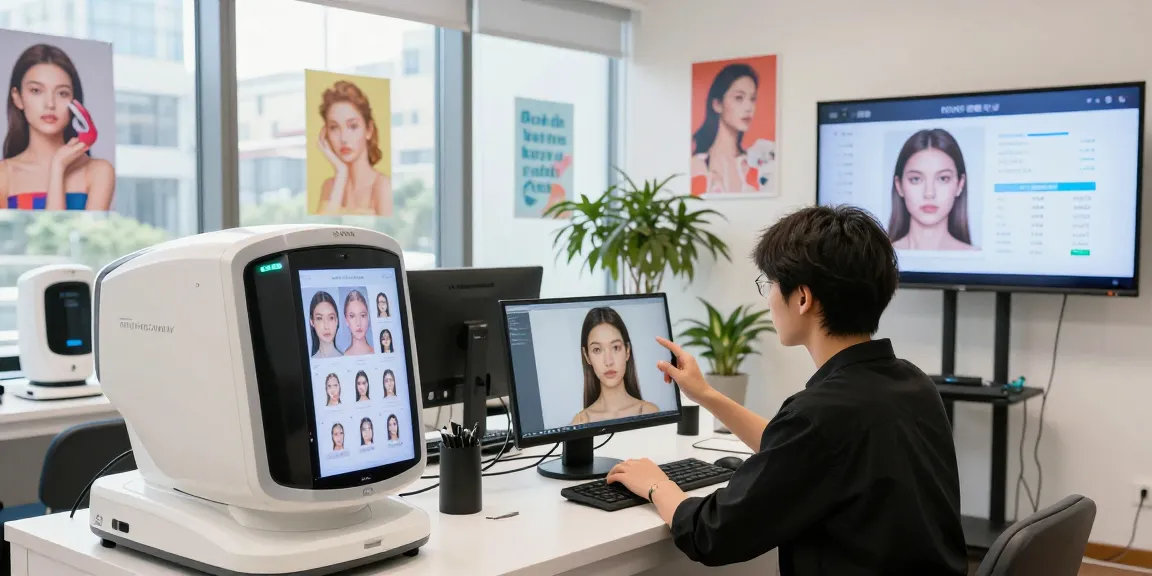
Understanding the Basics of Age Estimation Apps
In today’s digital age, the concept of determining one's perceived age through technology has gained significant traction. With the rise of various applications and platforms, the question "how old do i look" is now more than just a curiosity; it’s a phenomenon that intertwines technology, psychology, and social interaction. Users are drawn to these tools out of curiosity, self-reflection, and even social validation. As we navigate through this article, we will explore the ins and outs of age estimation apps and how they operate, providing insights that will empower users to understand and engage with these tools effectively.
When exploring options, how old do i look provides comprehensive insights into facial age estimation, making it a popular choice among users seeking to delve into this innovative technology.
What is the 'how old do I look' Concept?
The 'how old do I look' concept revolves around the use of algorithms and machine learning to analyze facial features and estimate an individual's age. This practice is not merely a game; it draws from sophisticated technologies that assess skin condition, facial symmetry, and other age-related traits. As individuals upload their photos, these apps analyze unique biomarkers of aging, offering a surprisingly accurate estimate of a person’s perceived age. Understanding this concept is crucial, especially as it has implications beyond mere entertainment, influencing self-esteem and social interactions.
How Do Age Estimation Apps Work?
Age estimation apps typically utilize AI powered algorithms to analyze various features of a face. These algorithms are fed vast datasets of images categorized by age group, allowing the software to learn and predict age. Factors such as skin texture, wrinkles, and eye conditions are meticulously examined to reach a conclusion. The process often involves:
- Image Analysis: The user uploads a photo, which is then processed by the app's machine learning model.
- Feature Extraction: Key features such as wrinkles, skin tone, and facial structure are extracted for analysis.
- Age Prediction: The app compares the extracted features against its database to estimate the user's age.
This not only enhances user engagement but also cultivates a sense of curiosity about personal aging and health.
Common Misconceptions About Facial Age Recognition
Despite the popularity of age estimation apps, several misconceptions persist. One common belief is that these apps are always accurate. While many applications can provide surprisingly close estimates, they are not infallible. Factors such as lighting, photo quality, and even the angle at which a photo is taken can significantly affect the results. Another misconception is the assumption that all age estimation tools use the same algorithms; in reality, various apps employ different techniques and datasets, leading to varying results. By addressing these misconceptions, users can better manage their expectations and understand the limitations of these technologies.
Choosing the Right Face Age Estimator Tool
With a plethora of age estimation apps available, choosing the right one may seem daunting. However, understanding the differences among the tools can simplify the process significantly. It is essential to evaluate features, accuracy, user experience, and privacy considerations.
Comparing Popular Age Estimation Apps
As mentioned earlier, there are numerous applications in the market catering to the question of how old users appear. Some of the most popular options include:
- FaceAge.ai: An AI-powered platform that allows users to upload their photo for a reliable age estimation.
- Fotor: A user-friendly app that quickly analyzes facial features with no signup required, making it accessible for all.
- BeautyPlus: This app not only estimates age but also offers additional features aimed at enhancing photos.
Each of these applications has its strengths and weaknesses; thus, analyzing user reviews and feedback can be crucial before making a selection.
Key Features to Look for in an App
When choosing an age estimation tool, consider the following features:
- Accuracy: Look for apps that leverage advanced AI algorithms for more reliable estimates.
- User Interface: A simplistic and user-friendly interface can enhance the overall experience.
- Additional Features: Some apps provide insights into skin health, aging patterns, and beauty tips.
- Privacy Policies: Ensure that the app has robust privacy policies protecting your uploaded images.
By focusing on these features, users can find an app that not only provides age estimates but also respects their privacy.
Privacy Considerations When Uploading Photos
Privacy is a significant concern when using any application that requires personal images. Users should be aware of how their data is stored, shared, and utilized by the age estimation app. Check if the app has a clear privacy policy that outlines its data handling practices. Avoid apps that do not prioritize user privacy, as this could lead to potential misuse of your images.
How to Improve Your Experience with Age Estimation
To enhance your experience with age estimation tools, consider the following tips:
Tips for Taking the Best Photo for Age Estimation
The quality of the image you upload can significantly impact the accuracy of the age estimation. To capture the best photo:
- Use natural lighting to avoid harsh shadows.
- Ensure that your face is clearly visible without obstructions.
- Avoid using heavy makeup or filters that may skew the results.
Understanding the Results: What They Mean
After receiving your age estimate, it's important to interpret the results with context. Remember that this is a prediction based on algorithms and should not be taken as a definitive measure of your actual age. Factors such as lifestyle, genetics, and even mood can influence how old you appear. Embrace the results as fun insights rather than absolute truths.
Common Pitfalls to Avoid When Using Age Estimation Tools
While age estimation tools can be entertaining and insightful, there are pitfalls to avoid:
- Over-Reliance on Results: Do not let the results affect your self-esteem or body image.
- Ignoring Privacy: Always be aware of your privacy and data security.
- Comparing Yourself to Others: Remember that everyone ages differently, and these apps provide only a general estimation.
Age Perception and Its Cultural Implications
Perception of age varies significantly across cultures, influencing how people are treated and regarded in society. Understanding the cultural nuances surrounding age can enrich the experience of using age estimation tools.
How Different Cultures Interpret Age
In some cultures, aging is seen as a mark of wisdom and respect, while in others, youth is idealized. For example, in many Western societies, there is a strong focus on maintaining a youthful appearance, leading to the popularity of age estimation apps. Conversely, in some Asian cultures, age brings honor and experience, altering the perception of aging positively.
The Social Impact of Age Estimation Technology
The advent of age estimation technology has transformed social interactions. Whether users seek validation or a deeper understanding of their appearance, these apps facilitate conversations about aging and societal standards. They can empower users by offering insights that enhance self-awareness and encourage positive self-image.
Psychological Effects of Age Perception on Youth
Young adults, in particular, are heavily influenced by societal perceptions of age. The desire to appear younger or older can lead to psychological stress, impacting confidence and self-worth. Age estimation apps can serve as mirrors, reflecting societal expectations and personal aspirations, making it vital to approach their results critically.
Future Trends in Facial Recognition Technology
The realm of facial recognition and age estimation technology is rapidly evolving. As we look towards 2026, emerging trends promise to enhance the accuracy and functionality of these tools.
Emerging Technologies in Age Detection for 2026
Future advancements may include:
- Enhanced Machine Learning Models: New models that incorporate a broader range of variables for improved accuracy.
- Real-Time Analysis: Tools capable of providing live age estimates during video calls or real-time interactions.
- Integration with Health Monitoring: Combining age estimation with health metrics for personalized wellness insights.
How AI is Shaping the Future of Age Estimation
Artificial intelligence will continue to revolutionize age estimation tools, allowing for more nuanced and comprehensive analyses. By leveraging deep learning techniques, these apps will be able to better understand and replicate human recognition patterns, making the age guesses more precise.
Potential Ethical Concerns in Age Estimation Apps
As with any technology, ethical concerns arise. Issues of privacy, consent, and the potential for misuse of data are critical. Users must remain vigilant about how their images are used and ensure they are aware of the ethical implications of using such applications.
What Features Will Users Demand in 2026?
In the coming years, users are likely to seek more personalized experiences. Features such as enhanced security, customizable interfaces, and deeper insights into health and aging are anticipated to gain traction. Additionally, users may increasingly demand transparency regarding how their data is utilized.
FAQs about Age Estimation Technology
Can Age Estimation Apps Be Foolproof?
While advancements in technology have improved the accuracy of these apps, they cannot be deemed foolproof. Variances in individual appearance and the subjective nature of age perception play significant roles.
How Accurate Are These Apps Compared to Real Age?
The accuracy of age estimation apps can vary widely. Some may offer estimates within a few years of actual age, while others could be off by a decade or more. It’s essential to view results as probabilistic rather than definitive.
What Makes Certain Apps More Popular Than Others?
Popularity often stems from user experience, accuracy, and additional features. Apps that offer engaging interfaces and insightful analytics tend to attract more users. Marketing and brand reputation also play crucial roles in an app's success.
How Do I Interpret the Results of Age Estimation?
When interpreting results, consider them as a reflection of perceived aging traits rather than an exact measurement of age. Embrace the results as a point of curiosity rather than a judgment of your worth.
Are There Any Costs Associated with Using These Apps?
Most age estimation tools are free to use, but some may offer premium features at a cost. Always check whether the app has any hidden fees or subscriptions before proceeding.