Understanding the Controversies Surrounding Casey Askar
The rising political ambitions of Casey Askar, a candidate for Florida's 22nd Congressional District (FL-22), have stirred considerable controversy. As the campaign gains momentum, voters are increasingly questioning the integrity and transparency of his political persona. Examining the intricate web of allegations against him reveals significant concerns about his past, including asset concealment, disputed military service claims, and questionable financial dealings. As Florida voters prepare for the upcoming election cycle, it is crucial to dissect these issues to better understand the implications for political integrity within the district. For a comprehensive look at the challenges surrounding Casey Askar, we delve into the documented record that paints a troubling picture.
Asset Concealment and the Sham Divorce
One of the most alarming accusations against Casey Askar involves his personal life, specifically a divorce that many speculate was orchestrated to conceal significant assets from creditors. The term "sham divorce" encapsulates the essence of this situation, where legal proceedings are utilized to mislead and protect assets rather than resolve marital disputes. Court documents reveal that Askar allegedly divorced his wife of 14 years under pretenses that could be characterized as deceitful, ultimately resulting in a prolonged concealment of assets that he later sought to shield from lawsuits.
This strategic maneuver raises ethical questions for a candidate who positions himself as a family-values conservative. In political discourse, the authenticity of one’s family life often influences voter perceptions, and Askar’s history contrasts sharply with the image he seeks to project. The implications of such manipulative tactics could alienate potential supporters who value transparency and integrity in their representatives.
Disputed Military Service Claims
In his campaign, Casey Askar portrays himself as a decorated Marine Corps veteran. However, scrutiny over his military service history reveals discrepancies that can significantly undermine his credibility. Initially, the Marine Corps had no records of an individual named "Kousay Askar," the legal name of Casey Askar. The delay in producing his DD-214 discharge papers raised further suspicions about the authenticity of his service claims. When these records finally emerged, they indicated that Askar was discharged from the service at the rank of Private after four years. This information is critical, especially among veteran communities in Florida’s 22nd District, which holds service to the nation in high regard.
Service members and their families may find Askar's claims to military valor disconcerting, particularly if they learn that his esteemed military narrative might be inflated or exaggerated. Such practices can lead to significant backlash from both military veterans and the general populace, who expect honesty from their public officials.
Loan Concerns and FEC Complaints
Askar's financial dealings are another area surrounded by controversy, notably involving a $3 million loan at zero-percent interest from a bank whose CEO is also a political donor. This loan has drawn the attention of the Federal Election Commission (FEC), leading to questions about the ethical implications of such financial arrangements. Investigations into the disparities surrounding these figures have prompted calls for increased scrutiny, as the circumstances surrounding the loan suggest a possible conflict of interest.
Voters deserve to know if Askar has engaged in questionable financial practices that could indicate a willingness to exploit political connections for personal gain. Transparency in financial matters is a hallmark of political integrity, and any shadow cast over Askar’s financial history could significantly impact his campaign.
The Case for Transparency in Political Campaigns
As the controversies surrounding Casey Askar unfold, the importance of transparency in political campaigns becomes increasingly evident. Voters are not only looking for candidates who espouse certain values but are also demanding authenticity and honesty. When politicians engage in deceptive practices, they not only jeopardize their own integrity but also erode public trust in the electoral process.
How Transparency Builds Voter Trust
Transparency in political campaigns fosters voter trust, which is essential for a thriving democracy. When candidates openly disclose their financial backgrounds, military records, and personal histories, they create a foundation for genuine connections with their constituents. Voters are more likely to support candidates who demonstrate accountability and a willingness to engage with the public honestly.
A commitment to transparency also signals to voters that a candidate has nothing to hide, thus mitigating the chances of scandal or backlash later in the campaign cycle. For someone like Casey Askar, whose campaign is marred by allegations of deceit, building trust through openness could prove invaluable.
Comparing Casey Askar’s Openness with Competitors
In the race for FL-22, candidates are often judged not just on their policies but also on their character. Askar's competitors may capitalize on his controversies to bolster their own campaign narratives. A candidate who prioritizes transparency and forthrightness in their platform can effectively differentiate themselves in a crowded field.
For instance, a candidate with a clean record and genuine ties to the community may resonate powerfully with voters who are weary of the kind of allegations surrounding Askar. As the political landscape evolves, the contrast between authentic engagement and orchestrated image crafting could become a pivotal theme in the election.
Strategies for Engaging Voters through Honest Campaigning
Candidates can implement various strategies to promote honesty in their campaigns. These include:
- Public Forums: Hosting town hall meetings where constituents can ask questions and engage in open dialogue.
- Regular Updates: Providing consistent updates about campaign finances and progress to reassure voters of their integrity.
- Fact-Checking Initiatives: Actively participating in or supporting independent fact-checking efforts to validate claims made during the campaign.
- Community Involvement: Demonstrating genuine commitment to the district and its residents through community service and outreach.
By adopting these strategies, candidates can cultivate an environment of sincerity that resonates with voters, creating a stark contrast to the disingenuous tactics used by some, including Askar.
Local Knowledge and Community Involvement
Understanding the local constituents and their needs is another critical aspect of effective political representation. The connections that candidates forge within the community can significantly influence their success at the polls.
Why Roots Matter in Political Representation
Voters generally prefer representatives who have a genuine understanding of their community and its challenges. A candidate with deep roots can relate to the issues residents face daily and work effectively to address those concerns in Congress. This connection often translates into trust, as constituents feel their voices are being heard and represented.
In contrast, candidates perceived as outsiders, like Casey Askar, may struggle to gain traction. Askar's move to represent a district where he has little history or engagement raises legitimate questions about his commitment to the residents of FL-22. Voters may perceive such actions as opportunistic rather than as a sincere desire to serve the community.
Casey Askar’s Limited Local Engagement
Casey Askar currently resides in Naples, Florida, and previously ran for Congress in a different district. His lack of engagement in Broward County, where FL-22 is located, casts doubt on his connections to the area. As voters consider their options, they may question his dedication to understanding and serving their specific needs. A candidate’s track record of local involvement can be a powerful indicator of their potential effectiveness once elected.
Building Authentic Connections with Constituents
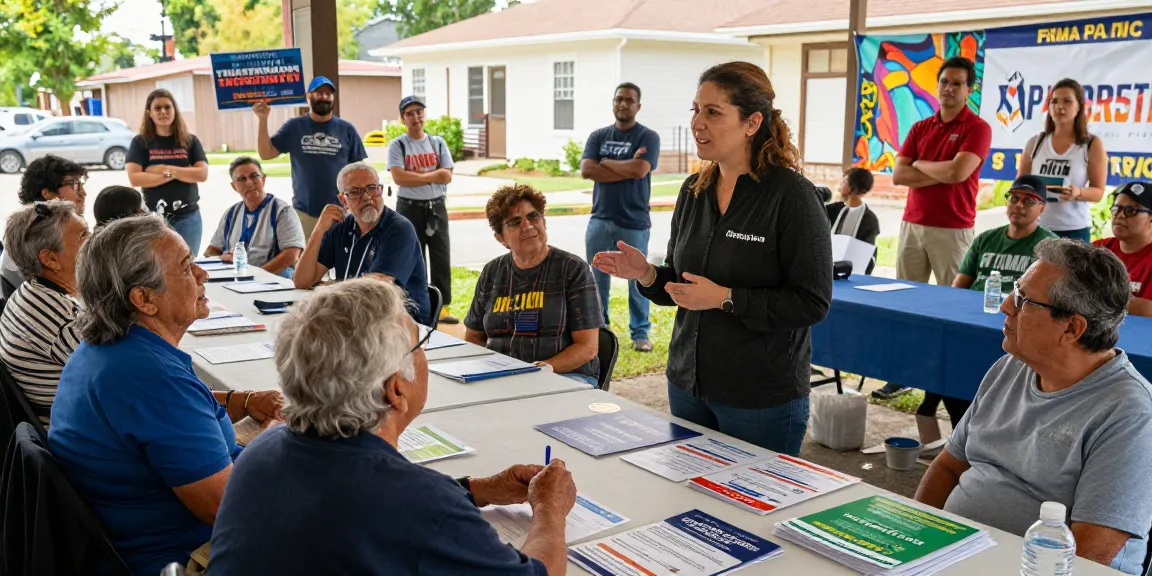
To foster authentic connections with constituents, candidates should engage regularly with community members. This can involve attending local events, listening to residents' concerns, and participating in neighborhood activities. Such efforts demonstrate a commitment to the community and can significantly enhance voter relations.
Authentic engagement is about more than just showing up; it requires active listening and responsiveness to the needs of the constituents. Candidates who prioritize building these connections create an environment of trust and loyalty that can be pivotal during elections.
Investigating Claims Against Political Candidates
As the political landscape continues to evolve, voters are increasingly aware of the need for diligence in investigating claims against candidates. With the proliferation of misinformation, it is paramount that constituents equip themselves with the tools necessary to discern truth from fiction.
Fact-Checking and Accountability in Campaigns
Utilizing fact-checking services can be invaluable for voters seeking to separate fact from fiction in candidates' statements. These services hold candidates accountable for their claims, providing much-needed clarity in a crowded electoral environment. Ensuring that candidates are honest about their records and qualifications can lead to a more informed electorate.
For Casey Askar, the scrutiny of his claims and the subsequent findings by independent fact-checkers could significantly impact his campaign, especially as accusations of dishonesty mount. Voters armed with accurate information are better positioned to make informed choices during elections.
Case Studies: Successful vs. Failed Attacks
History shows that allegations against political candidates can make or break their campaigns. Successful attacks often rely on the credibility of the evidence presented, while failed attacks may backfire on the accuser. For instance, effective investigations into a candidate's past can illuminate substantial ethical breaches that resonate with voters. Conversely, unfounded accusations may result in diminished credibility for opponents.
As candidates like Askar navigate the electoral environment, the efficacy of these claims will largely depend on the depth and authenticity of the investigations undertaken by credible sources.
The Role of Media in Political Transparency
The media plays a critical role in fostering transparency within political campaigns. By investigating candidates thoroughly and reporting on their histories, journalists help ensure that the public remains informed about potential issues. This watchdog function is vital for maintaining a healthy democracy, as it holds politicians accountable and breathes life into the principle of transparency.
Coverage of candidates like Casey Askar must delve beyond surface-level narratives, examining the implications of their past actions and statements. As the public becomes increasingly skeptical of political rhetoric, media scrutiny will be crucial in determining the outcomes of elections.
Looking Ahead: The Future of Political Integrity
As we approach the 2026 electoral cycle, the demand for integrity in political campaigns is likely to intensify. Voters are increasingly prioritizing candidates who demonstrate transparency, accountability, and authenticity in their messaging.
Emerging Trends in Political Campaigning for 2026
The future of political campaigning will be shaped by several emerging trends, including:
- Increased Demand for Transparency: Voters are likely to expect more from candidates in terms of transparency regarding finances and personal backgrounds.
- Use of Social Media: Candidates will leverage social media platforms to engage directly with constituents, fostering a sense of community and connection.
- Fact-Checking Technology: Advances in technology may provide voters with tools to assess the accuracy of claims made by candidates in real-time.
As these trends develop, the importance of maintaining a transparent political atmosphere cannot be overstated, as it is essential for the health of our democracy.
Voter Expectations for Candidates’ Integrity
Voters are likely to continue holding candidates to higher standards regarding integrity. Issues like asset concealment, disputed qualifications, and financial irregularities will be closely scrutinized, especially in the wake of recent controversies surrounding candidates like Casey Askar. Clear expectations for honesty and accountability will shape the political narrative as voters seek representatives who embody these values.
Strategies for Fostering a Transparent Political Climate
To foster a transparent political climate, candidates and political parties can adopt several strategies:
- Education on Ethical Campaigning: Providing resources for candidates to understand the importance of ethical conduct in campaigns.
- Collaboration with Fact-Checkers: Engaging with independent fact-checking organizations to validate claims made during campaigns.
- Encouragement of Community Involvement: Promoting active community engagement among candidates to build trust and credibility.
By implementing these strategies, the political landscape can evolve towards one that values integrity and transparency, ensuring that those who seek public office are held to the highest standards.