The Importance of Cultural Events in 2026
In 2026, cultural events are more crucial than ever in fostering community bonds and preserving heritage. As globalization continues to influence local traditions, the significance of these gatherings cannot be overstated. They not only provide a platform for the expression of cultural identity but also play a vital role in strengthening community ties and promoting local economies. With an increase in awareness regarding the importance of culture, towns like Rennes are leading the charge, actively engaging residents and visitors through a diverse array of activities and events. For those looking to explore cultural initiatives, we88 PGSLOT provides comprehensive insights into community-driven projects.
Understanding Cultural Significance
Cultural events serve as a vital link between the past and the future, allowing individuals to maintain a connection to their history while adapting to contemporary influences. Programs that celebrate local traditions often include music, dance, art, and language, creating a vibrant tapestry of community life. These events allow cultural narratives to be shared and celebrated, fostering understanding and appreciation among diverse groups.
Moreover, the preservation of cultural heritage is not just about keeping traditions alive for nostalgia; it plays a significant role in shaping the identity of a community. By participating in cultural events, individuals reinforce their belonging and pride in their heritage, which can be particularly important for younger generations as they navigate their unique cultural landscapes.
The Role of Community Engagement
Community engagement is at the heart of successful cultural events. These gatherings often require collaboration among various stakeholders, including local governments, businesses, artists, and residents. By leveraging the strengths of each group, organizers can create memorable experiences that resonate with participants. Engaging the community ensures that events reflect the needs and desires of those they serve, enhancing participation and support.
In Rennes, this collaboration manifests in numerous ways, from grassroots initiatives by local artists to partnerships with established cultural institutions. Notably, community feedback is integral to the planning process, making attendees feel valued and connected to the events.
Benefits for Local Economies
Cultural events also contribute significantly to local economies, attracting visitors and fostering tourism. Events like the Mercredis du Thabor and Festival Yaouank not only draw attendees from Rennes but also from neighboring regions, thus boosting local businesses such as hotels, restaurants, and shops. The economic impact can be substantial; even small cultural gatherings can generate significant revenue.
In addition to direct financial benefits, cultural events can help promote longer-term growth by enhancing a town’s reputation as a cultural hub. This encourages more events in the future, creating a cycle of investment and development.
Overview of Popular Events in Rennes
Highlighting the Mercredis du Thabor
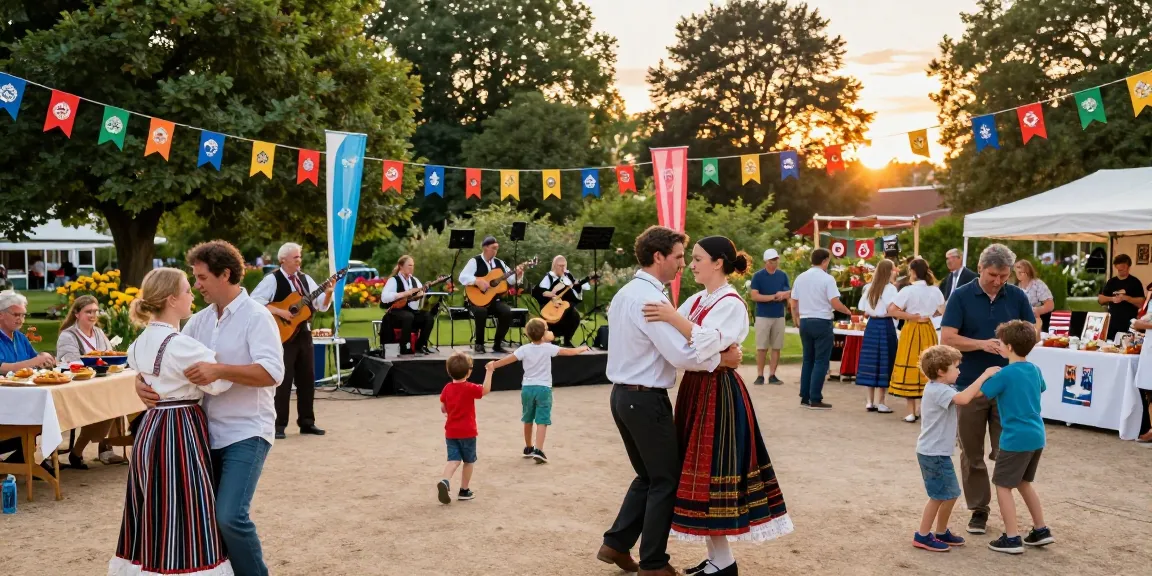
The Mercredis du Thabor is a signature event in Rennes that showcases the city’s commitment to cultural engagement. Held every Wednesday in July, this event transforms the beautiful Park du Thabor into a lively hub of entertainment, where artists from various disciplines gather to perform. From local musicians and dancers to craftsmen displaying their art, the Mercredis du Thabor offers a unique platform for breton culture to flourish.
Each week features different performances, providing attendees with a diverse experience that reflects the richness of Breton traditions. These Wednesday gatherings are not only an opportunity for entertainment but also a chance for community members to connect and celebrate their shared heritage.
Exploring Festival Yaouank
Another highlight on Rennes’ cultural calendar is the Festival Yaouank. As a celebration of youth and culture, this festival invites younger generations to engage with traditional Breton music and dance. The festival promotes intergenerational dialogue by encouraging older artists to collaborate with young talent, thus ensuring that cultural knowledge is passed down while remaining relevant to today's youth.
This initiative not only bolsters the cultural landscape but also empowers young artists, helping them to gain visibility and connect with the community. The Festival Yaouank demonstrates how cultural events can serve as a bridge between generations, enriching the local culture and fostering a sense of belonging.
Other Notable Cultural Gatherings
In addition to these marquee events, Rennes hosts a variety of other cultural gatherings throughout the year. These can range from art exhibitions and theater performances to food festivals and craft fairs. Each event brings something different to the table, contributing to a varied cultural experience that appeals to a wide audience.
- Art Exhibitions: Showcasing local artists and their works
- Theater Performances: Highlighting regional plays and performances
- Food Festivals: Celebrating local cuisine and culinary traditions
- Craft Fairs: Providing a platform for artisans to sell their handmade goods
These events not only enhance cultural awareness but also promote local economic growth by attracting both residents and tourists alike.
Event Planning Strategies
Choosing the Right Venue
Selecting an appropriate venue is crucial to the success of any cultural event. The venue must reflect the nature of the event and accommodate the expected audience. For outdoor events like the Mercredis du Thabor, accessibility and ambiance are essential, while indoor venues may require considerations for sound, lighting, and layout.
In Rennes, venues such as parks, community centers, and theaters are popular choices. Each location offers its own unique benefits, and the effectiveness of the venue can significantly impact attendance and overall experience.
Effective Promotion Techniques
Promotion is another vital aspect of successful cultural events. Utilizing both traditional and modern marketing strategies can help maximize visibility. Social media platforms are particularly effective for reaching younger audiences and generating buzz around events.
In addition to digital marketing, collaborations with local businesses and media outlets can enhance visibility. For instance, local radio stations may promote events, while businesses can offer discounts or special offers to attendees, thereby incentivizing participation.
Engaging Local Artists and Performers
Engaging local artists and performers is essential in ensuring events are authentic and representative of the community. This involvement not only enriches the cultural offerings but also provides artists with a platform to showcase their talents. In Rennes, organizers often reach out to local cultural organizations to identify artists and performers who can contribute meaningfully to events.
Moreover, providing opportunities for collaboration between established and emerging artists can lead to innovative performances that excite and engage audiences.
Challenges Faced by Organizers
Managing Funding and Resources
One of the most significant challenges faced by cultural event organizers is securing adequate funding. Many events rely on grants, sponsorships, and ticket sales, which can be unpredictable. A well-planned budget that includes contingency measures is essential for navigating potential shortfalls.
In Rennes, local governments and cultural organizations often collaborate to provide financial support, but competition for funds can be fierce. Event organizers must be skilled in articulating the cultural and economic benefits of their events when approaching potential funders.
Weather and Seasonal Considerations
Weather can significantly impact outdoor events, making planning crucial. Organizers must consider the season and weather patterns to ensure their events are not adversely affected. In Rennes, summer months are typically more favorable for outdoor gatherings, but contingencies should always be in place for inclement weather.
Utilizing a combination of indoor and outdoor venues can help mitigate weather-related risks, allowing for flexibility in programming as conditions change.
Adapting to Audience Preferences
Understanding audience preferences is vital for event success. Organizers should be attuned to the demographic trends within the community and adapt their offerings accordingly. Surveys and feedback forms can provide valuable insights into what the audience enjoys and what improvements can be made.
This engagement not only enhances the audience experience but also fosters a sense of ownership and involvement in the events, which can lead to increased loyalty and attendance in the future.
Future Trends in Cultural Events
Embracing Technology in Event Management
As technology continues to advance, cultural event organizers are increasingly leveraging new tools to enhance their offerings. From virtual reality experiences to mobile apps for event navigation, technology is reshaping the landscape of cultural gatherings. In 2026, it's anticipated that these tech innovations will be commonplace, providing attendees with immersive and interactive experiences.
Moreover, data analytics can help organizers better understand attendee behavior, allowing for more tailored and effective marketing strategies.
Leveraging Social Media for Engagement
Social media will continue to play a pivotal role in promoting cultural events. Platforms like Instagram, Facebook, and TikTok allow for real-time engagement and community building. By creating engaging content that resonates with audiences, organizers can generate excitement and drive attendance.
Additionally, utilizing hashtags and collaborations with influencers can expand reach and visibility, particularly among younger demographics.
Anticipated Changes in Cultural Participation
As cultural shifts continue to evolve, participation in cultural events is likely to change as well. The younger generation, being digital natives, may prefer events that offer a blend of physical and virtual experiences. Organizers should anticipate these changes and adapt their programming to cater to the evolving preferences of their audience.
Inclusivity and diversity will also be key factors in future cultural gatherings, with a growing emphasis on representing multiple voices and perspectives within the community.
What Makes Events Successful?
Successful cultural events are often characterized by strong planning, community involvement, and the ability to adapt to changing circumstances. Engaging storytelling, high-quality performances, and meaningful interactions deepen the impact of these events. Organizations should foster relationships with local artists and stakeholders, ensuring that events feel authentic and resonate with the audience.
How to Measure the Impact of Cultural Events?
Measuring the impact of cultural events requires a combination of qualitative and quantitative methods. Surveys, attendance numbers, and community feedback provide valuable insights into how events are perceived and their overall effectiveness. Analyzing these data points can help organizers improve future events and make informed decisions about programming and resource allocation.
What Are the Key Elements of Event Planning?
The key elements of event planning include clear objectives, effective communication, thorough budgeting, and detailed scheduling. Combining these elements with community engagement creates a strong foundation for successful cultural events. Organizers should also be prepared to address potential challenges proactively, ensuring that events run smoothly and meet the expectations of attendees.
How Can We Promote Local Culture Effectively?
Promoting local culture involves collaboration, storytelling, and strategic marketing. By highlighting the unique aspects of the culture and its significance within the community, organizers can create compelling narratives that resonate with both locals and visitors. Building partnerships with local businesses and media can enhance visibility and support for cultural initiatives.
What New Trends Can We Expect in 2026?
Looking ahead to 2026, trends in cultural events will likely include an increased focus on sustainability, mental health, and community wellness. Events that prioritize these aspects will not only attract attendance but also foster a positive impact on the community. Additionally, the integration of technology and innovative formats will continue to shape how cultural events are experienced.