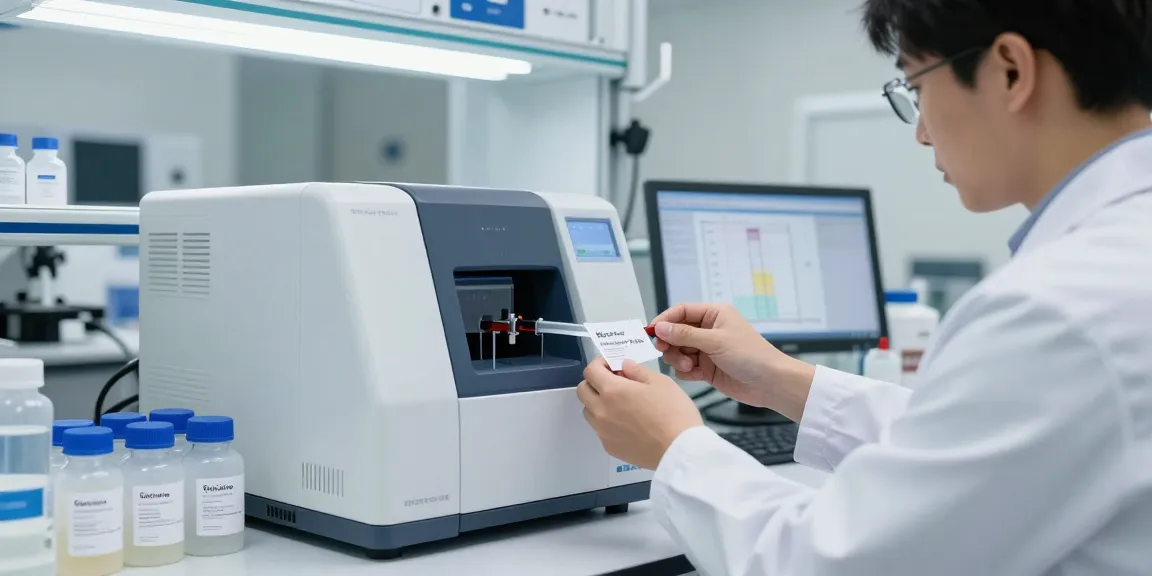
Introduction to Klow Peptide Stack
The landscape of laboratory research is evolving, and Koi Peptides has stepped up to the plate with the introduction of the Klow Peptide Stack in 2026. This innovative multi-peptide blend is a significant development for researchers seeking reliable and standardized resources for their experiments. The Klow Peptide Stack features a unique combination of four carefully selected peptides—GHK-Cu, BPC-157, TB-500, and KPV—packaged in a single, lyophilized vial specifically designed for laboratory use. By consolidating these peptides into a single product, Koi Peptides not only simplifies procurement processes but also enhances traceability and reliability for research applications. To learn more details about its formulation and implications, you can read the full release.
What is Klow Peptide Stack?
Klow Peptide Stack is characterized as a research-use-only product tailored for laboratory environments. Unlike consumer-grade products, Klow strictly adheres to research guidelines, ensuring that it is not marketed or sold for human or animal consumption. This multi-peptide formulation is an analytical reference blend, aimed at researchers who require precise and consistent materials for experimentation. The inclusion of four distinct peptides in one vial allows for streamlined testing and ensures that researchers can maintain fidelity in their results.
Components of the Blend: GHK-Cu, BPC-157, TB-500, and KPV
The Klow Peptide Stack comprises four pivotal peptides:
- GHK-Cu: A copper-binding tripeptide known for its biological significance and potential roles in cellular processes.
- BPC-157: A synthetic pentadecapeptide renowned for its healing properties and applications in various research settings.
- TB-500: Deriving from thymosin beta-4, this peptide plays an essential role in tissue repair and regeneration.
- KPV: A tripeptide that is increasingly recognized for its unique properties, setting Klow apart from other peptide stacks.
These components have been selected not just for their individual qualities but also for their synergistic potential in research applications.
Importance of Research-Use-Only Products
The classification of Klow Peptide Stack as a research-use-only product carries significant implications for the integrity and safety of laboratory research. This designation informs researchers that the product is not intended for therapeutic use, avoiding potential misinterpretations that can arise when marketing overlaps with science. By adhering strictly to research parameters, Koi Peptides ensures that buyers receive products that meet rigorous quality standards, bolstering confidence in experimental outcomes.
Understanding the Science Behind Klow Peptide Stack
Roles of Each Peptide in Laboratory Research
Each peptide within the Klow Stack serves a distinct purpose in laboratory settings. GHK-Cu is primarily investigated for its role in wound healing and tissue repair, while BPC-157 has been studied for its effects on angiogenesis and inflammation. TB-500 is often utilized in research pertaining to muscle regeneration, and KPV is gaining traction for its anti-inflammatory properties. Understanding the functions of these peptides allows researchers to devise experiments that leverage their specific attributes, leading to more targeted and impactful study results.
Analytical Techniques Used for Quality Verification
Quality assurance is paramount in peptide research, and Koi Peptides employs advanced analytical techniques, including High-Performance Liquid Chromatography (HPLC) and Mass Spectrometry (MS), to ensure purity and identity verification of Klow Peptide Stack. HPLC is used to separate and quantify each peptide component in the blend, providing a clear purity profile. Mass spectrometry further confirms the identity of the peptides, matching observed data against expected molecular weights, thus guaranteeing the integrity of the formulation.
Importance of Documentation in Research Context
Thorough documentation is indispensable for research reproducibility and traceability. Each batch of Klow Peptide Stack is accompanied by a Certificate of Analysis (COA), detailing the identity, purity, and endotoxin levels. This comprehensive record ensures that laboratories can verify the exact components they receive, fostering trust in the products and promoting rigorous scientific standards.
Comparison with Other Peptide Stacks
How Klow Differs from Glow Peptide Stack
In the realm of peptide research, Klow Peptide Stack is often compared to other popular formulations, most notably the Glow Stack, which comprises GHK-Cu, BPC-157, and TB-500. The primary distinction lies in the inclusion of KPV in the Klow formulation, which adds an additional layer of functionality. This differentiation not only enhances its appeal among researchers but also allows for a broader range of applications within the laboratory setting.
Consumer versus Research-Grade Products
Understanding the difference between consumer and research-grade products is crucial for any laboratory. Consumer products may not adhere to the same rigorous standards as research-grade formulations, which are subject to strict quality controls and documentation requirements. Klow Peptide Stack epitomizes the essence of a research-grade product, ensuring that it meets the advanced needs of scientific inquiry without compromising on safety or efficacy.
Implications of Misunderstanding Peptide Uses
Confusion often arises from marketing language that blurs the lines between research and consumer products. Misunderstandings regarding the intended use of peptides can lead to improper applications and potential health risks. Koi Peptides emphasizes the research-use-only status of Klow Peptide Stack, aiming to clarify its role and ensure that it is utilized appropriately within scientific investigations.
Quality Assurance and Verification Processes
Overview of HPLC and Mass Spectrometry Techniques
HPLC and Mass Spectrometry stand out as cornerstones of quality verification for peptides. HPLC separates components based on their chemical characteristics, allowing researchers to assess the purity of each peptide within the blend. Mass Spectrometry, on the other hand, provides precise molecular information, confirming the identity and correctness of the peptide sequences. These methods together establish a solid foundation for quality assurance, ensuring that Klow Peptide Stack meets the expectations for laboratory use.
Certificate of Analysis: What to Look For
A comprehensive Certificate of Analysis is essential for verifying the quality of any peptide product. Researchers should look for details regarding:
- Identity confirmation for each peptide within the blend
- Results from HPLC assessments indicating purity levels
- Endotoxin testing results
- The assigned lot number that links the product to its testing record
- The date of testing or batch release
These elements provide assurance that the product has undergone stringent quality checks and is fit for use in research applications.
How Documentation Enhances Research Confidence
Documentation builds confidence in the research process. For a multi-peptide blend like Klow, clear and accessible documentation can help laboratories maintain organized records, facilitating quality assurance and reproducibility. This is particularly important in research environments where precision is key to obtaining valid results. The established COA procedures at Koi Peptides enable researchers to confidently utilize Klow Peptide Stack, knowing they have comprehensive support for their findings.
Future Trends in Peptide Research
Emerging Applications for Multi-Peptide Blends
The future of peptide research is poised to expand as scientists explore new applications for multi-peptide blends. As research methodologies advance, the potential for synergistic effects among peptides like those found in the Klow Peptide Stack may open doors to innovative experimental designs. Enhanced understanding of peptide interactions can lead to breakthroughs in areas such as regenerative medicine, drug development, and biochemical signaling.
Regulatory Considerations for 2026 and Beyond
As the peptide industry continues to grow, regulatory frameworks will likely evolve to address emerging scientific findings and safety concerns. In 2026, ongoing discussions surrounding the regulation of peptides for research versus clinical use will be pivotal. Researchers and manufacturers must stay informed about regulatory developments to navigate the complexities effectively.
Predicting Market Trends in Peptide-Related Research
Market trends in peptide-related research are trending upwards, with increasing interest in both existing formulations and innovative blends. The demand for high-quality, research-grade peptides is driven by the growing emphasis on reproducibility and quality in scientific research. Koi Peptides’ commitment to providing detailed product documentation and rigorous quality checks positions it well to satisfy the evolving needs of the research community.
What are the components in Klow Peptide Stack?
Klow Peptide Stack consists of four well-characterized peptides: GHK-Cu, BPC-157, TB-500, and KPV. Each of these components contributes unique properties that can be leveraged in laboratory research.
How can researchers verify the lot of Klow Peptide Stack?
Researchers can verify the lot of Klow Peptide Stack by checking the lot number on the vial label and accessing the corresponding Certificate of Analysis (COA) from Koi Peptides' public documentation portal.
Why is documentation crucial for multi-peptide blends?
Documentation is essential for multi-peptide blends because it provides clear traceability and assurance of quality. With multiple peptides in a single formulation, comprehensive records are necessary to confirm the identity and purity of each component.
What distinguishes Klow from Glow in peptide discussions?
Klow is distinguished from Glow primarily by its inclusion of KPV. While Glow typically consists of GHK-Cu, BPC-157, and TB-500, Klow adds KPV to create a four-peptide formulation that offers distinct research advantages.