
Understanding the Importance of River Rope Bridges
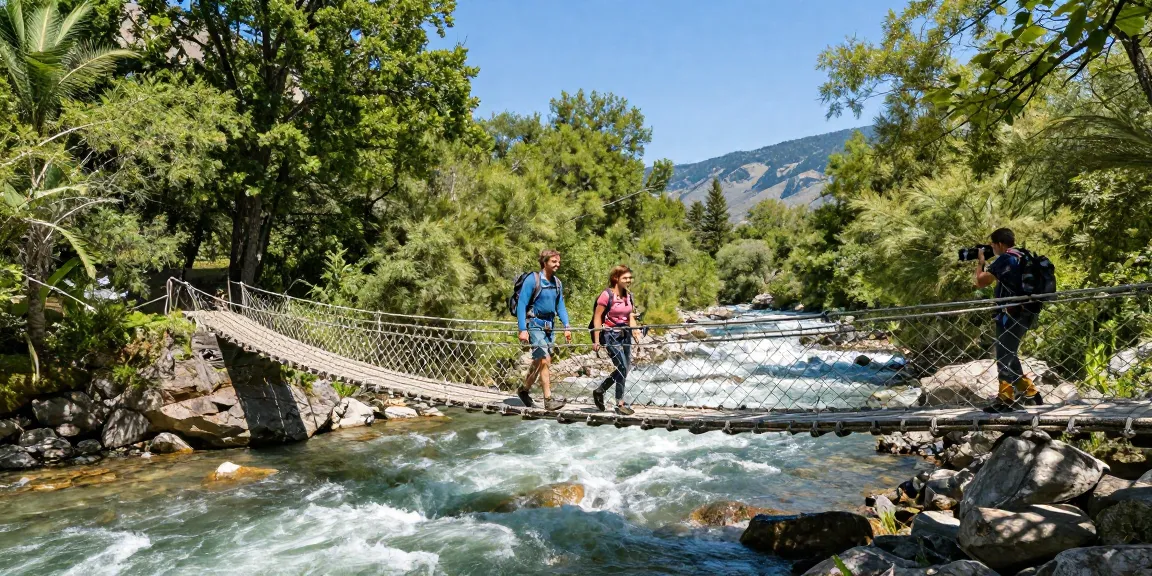
River rope bridges serve as fascinating structures that not only facilitate passage over challenging terrains but also enhance the aesthetic beauty of their surroundings. These suspension bridges, crafted from sturdy materials and innovative designs, enable adventurers and hikers to cross rivers safely while enjoying breathtaking views of nature. When exploring options, River Rope Bridge offers comprehensive insights into construction, design, and safety considerations for building such structures.
What is a River Rope Bridge?
A river rope bridge is a type of suspension bridge typically made from ropes and cables, used to create a walkway across rivers or other obstacles. These bridges are designed to be lightweight while maintaining strength and stability, making them ideal for both recreational use and practical applications in remote areas. Often found in outdoor adventure parks, hiking trails, and remote villages, these bridges can range in size from small footbridges to larger installations meant for higher traffic.
Historical Significance and Cultural Relevance
Rope bridges have a rich history, dating back thousands of years to various cultures worldwide. For instance, the ancient Inca civilization constructed remarkable rope bridges using natural fibres to traverse the rugged Andean mountains. In modern times, they are celebrated not only for their engineering prowess but also for their representation of human ingenuity in adapting to challenging environments. Many communities still rely on these bridges for essential connectivity, showcasing their cultural relevance and practical necessity.
Benefits of Using River Rope Bridges in Outdoor Activities
Utilising river rope bridges in outdoor activities offers numerous advantages. Firstly, they facilitate safe and easy access to otherwise hard-to-reach areas, promoting tourism and outdoor exploration. Secondly, their construction often involves minimal environmental disruption compared to traditional bridges, making them a more sustainable choice. Additionally, they provide thrilling experiences for users, allowing for unique adventures that encourage physical activity and connection with nature.
Common Misconceptions About River Rope Bridges
Safety Concerns and Realities of Rope Bridge Design
One of the most common misconceptions regarding rope bridges is that they are inherently unsafe. However, this is far from the truth. When designed and constructed by professionals, river rope bridges can be incredibly safe. They undergo rigorous testing and are built to withstand various environmental factors, including wind, rain, and the weight of multiple pedestrians. Understanding the engineering principles behind these bridges can help alleviate concerns about their safety.
Cost Factors Associated with Building a Rope Bridge
Many people assume that constructing a river rope bridge will be prohibitively expensive. While costs can vary significantly based on size, materials, and complexity, they can be far more affordable than traditional bridges. Factors influencing the overall cost include the type of materials used, the required engineering expertise, and the specific location of the bridge. When considering these elements, it becomes clear that there are options available for various budgets.
Durability and Maintenance Myths Debunked
Another misconception is that rope bridges are not durable and require constant maintenance. While it's true that like any structure, they need regular checks, modern materials such as synthetic ropes and treated wood can significantly enhance their longevity. Proper maintenance schedules can ensure the bridge remains safe and functional, debunking the myth that they are short-lived or fragile.
Design Elements of an Effective River Rope Bridge
Material Choices for Safety and Aesthetics
The materials chosen for a river rope bridge play a critical role in both its safety and visual appeal. Common choices include nylon or polyester ropes due to their strength and weather resistance. Additionally, wooden planks or metal decking can provide solid footing for users. Selecting materials that blend harmoniously with the natural environment can enhance aesthetic appeal while ensuring durability.
Engineering Principles Behind Stability and Strength
Engineering a safe and stable river rope bridge involves understanding several key principles. Tension and compression are crucial forces that must be managed effectively. The design should distribute weight evenly, ensuring that it can accommodate the number of anticipated users while remaining secure against environmental factors. Incorporating safety features such as guardrails and tensioning systems can further increase the structure's robustness.
Integrating Natural Surroundings into the Design
Successful river rope bridges seamlessly integrate into their natural surroundings. This can involve choosing locations that minimize impact on local flora and fauna, as well as designing the bridge to complement the landscape. Options like using natural colours for the ropes and platforms or incorporating local materials can ensure that the bridge not only serves its purpose but also enhances the beauty of its environment.
Building Your Own River Rope Bridge: A Practical Guide
Essential Tools and Materials Needed
When embarking on the adventure of building your river rope bridge, having the right tools and materials is essential. Typical requirements include high-strength ropes, sturdy wooden beams or metal for the walkway, pulleys for tensioning the ropes, anchors for the ends, and safety gear for workers. Additionally, a comprehensive building plan is necessary to ensure structural integrity and safety.
Step-by-Step Instructions for Construction
1. Plan Your Bridge: Determine the length and design based on the specific river width and the intended use.
2. Select a Location: Choose a site that is stable, avoiding areas prone to flooding or erosion.
3. Gather Materials: Acquire high-quality ropes, decking materials, and any additional hardware needed for construction.
4. Construct the Supports: Begin by anchoring the base supports securely on both river banks.
5. Attach the Ropes: Securely fasten the ropes to the supports, ensuring they have the proper tension and alignment.
6. Build the Walkway: Install the decking material to create a safe crossing space.
7. Safety Features: Add guardrails or nets for added safety, particularly in high-traffic areas.
8. Inspection: Finally, perform a thorough inspection to ensure all components are secure and functional before use.
Common Pitfalls to Avoid During the Build
Several pitfalls can derail the construction of a river rope bridge. Firstly, underestimating the required materials can lead to delays and safety issues. Secondly, overlooking environmental factors, such as flooding or wildlife, can compromise the bridge's stability. Always ensure compliance with local regulations and standards to avoid future legal issues.
Future Trends in River Rope Bridge Construction and Design
Innovative Materials and Technologies on the Horizon
The field of rope bridge construction continually evolves, with innovative materials and technologies emerging. Advancements in synthetic ropes and lightweight composites are making bridges more durable and easier to construct. Additionally, the use of drones for surveying and planning site conditions is becoming more common, allowing builders to create even safer designs.
Eco-Friendly Practices in Bridge Design
The push for eco-friendly practices is reshaping how river rope bridges are designed and constructed. Sustainable materials, such as bamboo or recycled plastics, are becoming more popular as builders seek to reduce their environmental footprints. Furthermore, incorporating renewable energy sources, like solar-powered lights, into bridge design enhances sustainability.
Predictions for River Rope Bridges in 2026 and Beyond
As we look towards 2026, the development of river rope bridges is expected to reflect growing awareness of environmental conservation and technological innovation. Bridges may become increasingly smart, utilising sensors to monitor structural health and environmental conditions. Moreover, the trend towards inclusive design will likely continue, ensuring that these structures are accessible to everyone, regardless of physical ability.
What are the key safety features of a River Rope Bridge?
Safety features of river rope bridges include robust guardrails, tension monitoring systems, and anti-slip decking materials. Regular inspections and maintenance are also crucial components of ensuring ongoing safety.
How much does it typically cost to build a River Rope Bridge?
The cost of building a river rope bridge can vary widely based on size, material, and location. Basic models can start at a few thousand pounds, while more complex constructions may exceed tens of thousands.
Where can I find River Rope Bridge kits for sale?
Ready-made kits for building river rope bridges are available from specialty retailers and online platforms, featuring all necessary materials and instructions for assembly.
What are the best locations for constructing a River Rope Bridge?
Ideal locations include remote hiking trails, nature parks, and areas where road access is limited. Selecting a site with stable banks and minimal current is essential for safety.
How can I maintain my River Rope Bridge for longevity?
Regular maintenance should include inspecting the ropes for fraying, checking the integrity of the supports, and ensuring that all safety features are in working order. Cleaning debris and addressing any signs of wear promptly can significantly extend the lifespan of the bridge.