Understanding Packaging Design and Its Importance
Defining Packaging Design
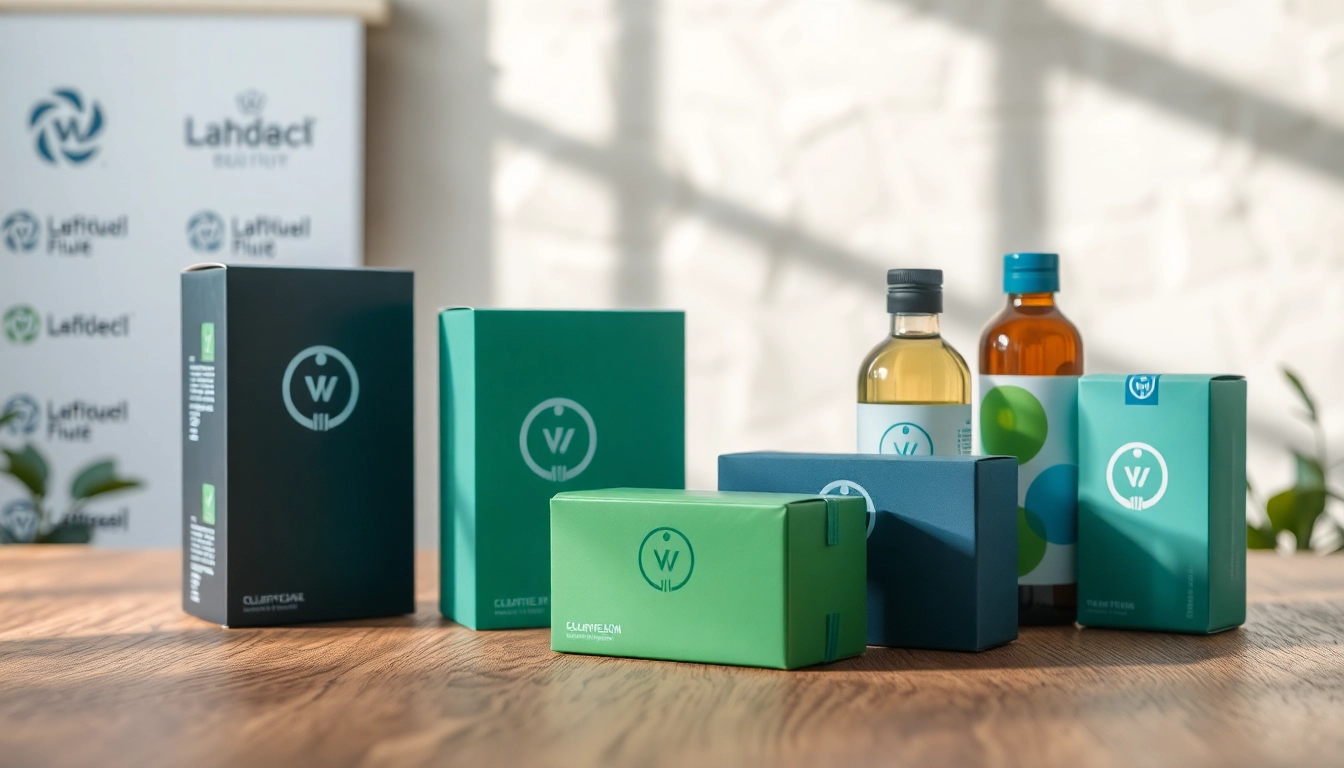
Packaging design is the art and science of creating the exterior of a product. It encompasses everything from materials and colors to the shapes and typography that communicate a brand's identity. Good packaging design protects the product, facilitates storage, and attracts consumers on crowded shelves. It serves as an essential tool in marketing, influencing consumer perception and purchasing behavior.
Benefits of Effective Packaging
Effective packaging offers numerous benefits that directly impact brand visibility and sales. Firstly, it enhances product protection, ensuring that items arrive at their destination intact. Secondly, strong packaging can convey brand messages and values, building emotional connections with consumers. Enhanced aesthetics can improve brand recall and differentiation in a competitive market, leading to higher customer loyalty and repeat purchases.
Packaging Design Trends in Melbourne
Recent years have seen a surge in innovative packaging design trends in Melbourne. Brands are increasingly adopting sustainable practices, selecting eco-friendly materials that resonate with environmentally conscious consumers. Minimalistic designs that focus on functionality and simplicity are gaining popularity, alongside interactive elements that engage customers. Additionally, vibrant colors and bold graphics are being utilized to capture attention and enhance shelf appeal.
Choosing the Right Packaging Design Agency Melbourne
Key Qualities to Look For
When searching for a packaging design agency Melbourne, several key qualities should be prioritized. Look for an agency with a strong portfolio that showcases diverse design projects and innovative solutions. Equally important is their ability to communicate effectively, understanding your brand's vision and objectives. Creative expertise combined with technical skills is essential, as is a proven track record of delivering successful projects on time and within budget.
Evaluating Portfolios and Case Studies
A thorough evaluation of an agency's portfolio and case studies is vital. Review the variety of packaging designs they've created to ensure they align with your brand identity. Detailed case studies demonstrating their problem-solving abilities, innovative approaches, and measurable outcomes can provide insights into the agency’s effectiveness. Look for evidence of adaptability and creativity, especially in developing solutions tailored to different industries and target markets.
Customer Testimonials and Reviews
Customer testimonials and reviews offer a window into the agency’s reputation and client satisfaction. Positive feedback that reflects consistent quality of service, communication, and a collaborative working relationship should be prioritized. Consider seeking out independent review platforms for unbiased opinions. Additionally, speaking directly with past clients can provide invaluable insights into the agency's strengths and areas for improvement.
The Packaging Design Process Explained
Initial Consultation and Concept Development
The packaging design process typically begins with an initial consultation where the designer gathers insights about your brand, target audience, and objectives. This stage is crucial for understanding the unique attributes of your product. Following the consultation, concept development occurs, where sketches and mood boards are created to explore potential directions. This collaborative stage ensures that both parties are aligned on the vision before moving to the next phases.
Design Iterations and Prototyping
Once initial concepts are drafted, iterative design begins. This phase involves multiple modifications based on feedback from stakeholders. Effective communication is critical for ensuring that modifications align with brand goals and consumer preferences. Prototyping allows the agency to create physical samples, enabling a tangible evaluation of the design before full production. This step is essential for testing usability, materials, and consumer interactions with the packaging.
Final Production and Quality Checks
The final phase of the packaging design process involves overseeing production, which requires a keen eye for detail. Quality checks are conducted to ensure that all aspects of the packaging, from colors to structural integrity, meet predefined standards. Collaborating closely with manufacturers ensures that the final product is not only visually appealing but also functional and durable, ready to impress retailers and consumers alike.
Innovative Strategies for Effective Packaging Design
Integrating Sustainability in Design
As the demand for environmentally responsible products continues to grow, packaging design must reflect sustainable practices. This can include using recyclable materials, highlighting eco-friendly processes, and minimizing waste. Strategies such as designing packaging that can serve multiple purposes or using biodegradable materials help brands align with consumer values while differentiating themselves in the marketplace.
Using Technology for Enhanced Designs
Technology plays an increasingly vital role in modern packaging design. Tools such as 3D modeling software enable designers to create and visualize innovative designs quickly. Additionally, augmented reality (AR) can be integrated into packaging, providing consumers interactive experiences that enhance product engagement. Utilizing the latest technology ensures that your packaging stands out and adapts to evolving consumer preferences.
Strategies for Engaging Consumer Experience
Engagement is a crucial component of packaging design that can significantly influence consumer behavior. Consider incorporating unique opening mechanisms or interactive elements that encourage consumers to explore the product further. Leveraging storytelling through graphics and messaging can enhance the emotional connection with the customer, making the product more memorable. Ultimately, effective packaging should facilitate a delightful user experience while conveying the brand's essence.
Measuring the Success of Your Packaging Design
Analyzing Customer Feedback and Market Impact
Once the packaging design is launched, it’s essential to evaluate its effectiveness through customer feedback. This can be gathered through surveys, social media interactions, and sales data analysis. Understanding how consumers perceive the packaging and its role in decision-making can provide insights into areas for improvement or highlight successful elements worth maintaining in future designs.
Key Performance Metrics to Track
Track key performance metrics such as sales growth, market share, and customer retention rates post-launch to assess the impact of your packaging design. Additionally, analyzing how well the packaging performs in different retail settings can offer insights into its adaptability. Metrics such as consumer engagement rates and qualitative feedback are crucial in evaluating the overall success of the design strategy.
Case Studies of Successful Packaging Designs
Examining case studies of successful packaging designs can provide valuable lessons and inspiration. Look for examples showcasing innovative materials, design elements that enhanced user experiences, or campaigns that successfully conveyed sustainability messages. These real-world illustrations can often highlight strategies that can be tailored to your unique offerings, deepening your understanding of effective packaging design.
FAQs on Packaging Design Agency Melbourne
What is packaging design?
Packaging design involves crafting the exterior of a product, including material choices, colors, and graphics that convey a brand's identity and attract consumers.
Why is packaging design important?
Packaging design is crucial for branding, marketing, and influencing purchase decisions. It enhances consumer experience and shares vital information about the product.
How can I find the best packaging design agency Melbourne?
Look for agencies with strong portfolios, relevant experience, and positive client feedback. Evaluate their design approach to ensure they align with your brand's vision.
What are current packaging design trends?
Current trends emphasize sustainability, minimalism, and consumer engagement. Brands focus on eco-friendly materials and innovative design aesthetics to attract attention.
How long does the packaging design process take?
The duration varies based on complexity, typically ranging from weeks to months. Early consultation helps establish clear timelines to meet your needs effectively.