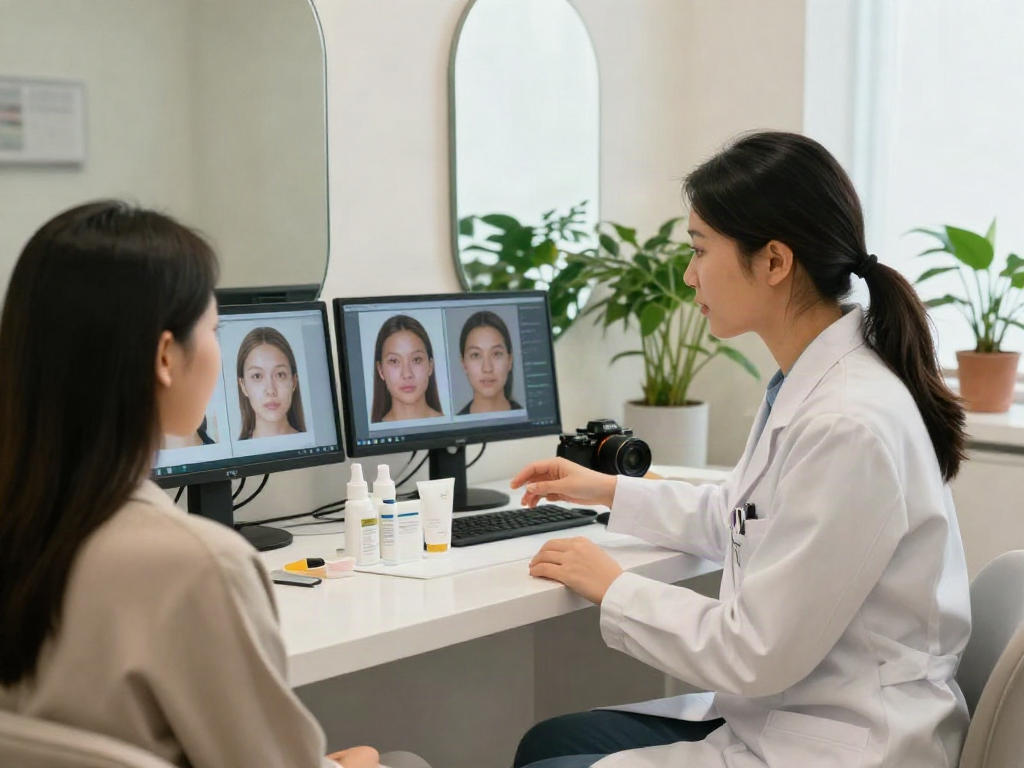
Understanding Glow Peptides
Definition and Types of Peptides
Peptides are short chains of amino acids that serve as the building blocks of proteins. In the context of glow peptides, these specific peptides are designed to enhance skin health, promote healing, and aid in various biochemical functions within the body. They come in various forms, including synthetic peptides and bioactive peptides, each tailored for distinct physiological purposes. Synthetic peptides are often engineered for specific applications in skincare, while bioactive peptides are derived from natural sources and exhibit beneficial properties, such as antioxidant effects and cellular repair capabilities.
How Glow Peptides Work in the Body
Glow peptides function by interacting with cellular receptors and pathways, promoting skin elasticity, hydration, and repair. When applied topically or used in therapeutic regimens, they can stimulate collagen production, enhance cellular turnover, and combat oxidative stress. This biochemical interaction encourages the body’s natural processes, allowing users to achieve healthier and more youthful-looking skin. The peptides enhance nutrient delivery to skin cells, fostering rejuvenation and a luminous glow, making them a popular ingredient in advanced skincare formulations.
Common Applications in Medicine
Beyond cosmetic uses, glow peptides have gained attention in various medical fields. They are utilized in dermatology for their ability to aid wound healing and skin restoration following trauma or surgery. Additionally, researchers are investigating their potential in areas like anti-aging therapies and even tissue engineering. The focus on glow peptides highlights a growing recognition of their versatility and efficacy in both aesthetic and clinical applications, paving the way for new treatments that leverage the body’s natural repair mechanisms.
Research into Glow Peptide Price
Factors Influencing Prices
The pricing of glow peptides can fluctuate based on multiple factors, including production methods, sourcing of raw materials, and overall market demand. Peptides that are synthesized through complex, multi-step processes tend to be more expensive than those derived from natural sources due to higher research and development costs. Additionally, the purity level, clinical effectiveness, and manufacturer credibility can also dictate the final retail price. When considering the glow peptide price, it's essential to understand these influencing factors to make an informed purchasing decision.
Comparative Analysis with Other Peptides
When comparing glow peptides with other peptide categories, such as those used for muscle building or hormonal regulation, the pricing structures often differ significantly. For instance, peptides aimed at enhancing athletic performance can command higher prices due to their regulatory oversight and limited availability. Conversely, glow peptides tend to be more accessible, mainly as they are sought for cosmetic benefits rather than therapeutic use in a clinical setting. This comparative analysis helps clarify the positioning of glow peptides within the broader peptide market.
Buying Tips for Consumers
For consumers looking to purchase glow peptides, several strategies can help ensure they obtain high-quality products at a fair price. Firstly, researching manufacturers and reading customer reviews can provide insight into the reliability of the sources. Secondly, buyers should consider the peptide’s concentration and purity level; higher concentrations often justify a higher cost. Finally, maintaining awareness of ongoing market trends and promotional offerings can aid consumers in finding the best possible deals while avoiding subpar products.
Benefits of Glow Peptides
Potential Health Advantages
Glow peptides offer numerous health advantages that extend beyond mere cosmetic enhancements. They can support cellular regeneration, improve skin hydration, and protect against environmental stressors. By boosting collagen and elastin production, glow peptides help maintain skin elasticity and firmness, thereby contributing to overall skin health. Moreover, their potential antioxidant properties can combat free radicals, ultimately leading to a reduction in skin damage and improved healing capabilities.
Impact on Skin and Aging
As aging occurs, the skin’s natural ability to produce collagen diminishes, leading to wrinkles, sagging, and other signs of age. Glow peptides actively combat these changes by stimulating collagen synthesis and enhancing skin texture. They can also promote pigment regulation, reducing discoloration and promoting an even skin tone. This multifaceted impact positions glow peptides as pivotal agents in anti-aging skincare regimes, helping to reverse and prevent the visible effects of aging.
Supporting Biochemical Processes
Glow peptides play a crucial role in various biochemical processes that are essential for maintaining skin homeostasis. They can promote the synthesis of glycosaminoglycans, which are vital for moisture retention and skin hydration. Additionally, certain glow peptides can modulate inflammatory responses, aiding in the reduction of redness and irritation for more sensitive skin types. By supporting these critical processes, glow peptides contribute not only to aesthetic improvements but also to overall skin health stability.
Challenges in Glow Peptide Research
Regulatory Hurdles
The peptide industry faces various regulatory hurdles that can affect research and marketing strategies. Agencies impose stringent guidelines on safety and efficacy, which can delay product availability in the market. For researchers and companies, navigating these regulations is crucial in ensuring compliance, facilitating research studies, and ultimately gaining consumer trust.
Quality Control and Sourcing
Maintaining high standards of quality control is paramount in the peptide industry. Issues related to sourcing raw materials can impact the integrity and effectiveness of peptides. Laboratorial validation of peptides through rigorous testing can mitigate the risks associated with low-quality products. Manufacturers must establish robust quality assurance protocols to ensure that consumers receive the most effective peptides available.
Misconceptions and Public Perception
Public perception of glow peptides can diverse significantly, often clouded by misconceptions. Many individuals may equate peptides solely with pharmaceutical use without recognizing their benefits in skincare. Education is essential for dispelling myths and enhancing consumer understanding of how glow peptides can contribute to personal wellness. Building a solid narrative around the scientific basis and real-world applications of glow peptides can bridge the gap between scientific discovery and public perception.
FAQs About Glow Peptides
What are glow peptides used for?
Glow peptides are commonly used for skin health, anti-aging treatments, and promoting recovery. They enhance collagen production and skin hydration.
Are glow peptides safe to use?
Generally, glow peptides are considered safe, but it's essential to source them from reputable suppliers and consult a healthcare professional.
How do glow peptides compare to other peptides?
Glow peptides typically focus on aesthetic benefits, while other peptides may target muscle growth or hormonal balance, differing in purpose.
What factors affect the glow peptide price?
Prices vary based on quality, sourcing, research and development costs, and market demand, influencing the final retail cost.
Where can I buy glow peptides?
Glow peptides can be purchased from specialized health and wellness retailers, online marketplaces, or direct from manufacturers.