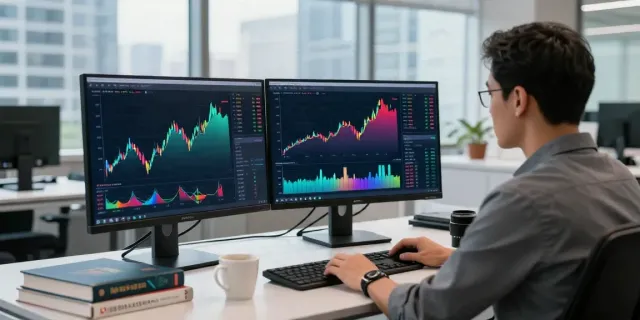
Understanding Financial Data Providers in 2026
The landscape of finance is rapidly evolving, driven by innovations in blockchain technology and decentralized finance (DeFi). Financial data providers play a pivotal role in this transformation, offering critical insights and low-latency data essential for investors, developers, and institutions looking to capitalize on emerging market trends. By facilitating access to real-time market information across various asset classes, including stocks, foreign exchange, and cryptocurrencies, these providers ensure that users can navigate the complexities of financial markets effectively. When exploring options, 金融数据提供商 offers comprehensive insights into the diverse market opportunities available today.
What is a Financial Data Provider?
A financial data provider is a company that collects, aggregates, and disseminates financial information to businesses and individuals. These providers track market changes in real-time, offering services such as market data feeds, analytics, and risk management tools. They serve a variety of clients, including hedge funds, investment banks, retail traders, and research institutions, delivering insights that are crucial for making informed financial decisions.
Key Features of Financial Data Services
- Real-time Data: Instant access to current market prices and trading volumes is essential for traders and investors alike.
- Historical Data: Includes extensive datasets for backtesting trading strategies and analyzing market trends over time.
- Multiple Asset Coverage: Services that encompass a range of assets including equities, forex, commodities, and digital currencies.
- Customization: Ability to tailor data feeds to specific requirements, allowing users to focus on particular markets or data types.
- Advanced Analytics: Tools for risk management, technical analysis, and performance evaluation.
Why Choose Financial Data Providers for Blockchain Investments?
The application of blockchain technology to finance has increased the demand for accurate, timely data feeds critical to navigating this new landscape. Financial data providers deliver specialized knowledge about digital assets, including market behaviors influenced by supply and demand dynamics, regulatory changes, and technological advancements. This information is vital for minimizing investment risks, optimizing trading strategies, and ensuring compliance with evolving regulations.
The Role of Crypto Trading Data in Investment Decisions
In the realm of cryptocurrency trading, data is king. Market movements can be swift and volatile, making the ability to react quickly based on accurate information paramount. Here, financial data services that focus on cryptocurrency markets provide investors with the tools necessary to assess potential risks and rewards effectively.
How Trading Data Influences Market Strategies
Real-time trading data allows market participants to identify short-term and long-term trends. By analyzing price fluctuations, trading volumes, and order book depth, traders can develop strategies that align with prevailing market conditions. Data-driven decision-making can be the difference between profit and loss, especially in high-frequency trading environments.
Technical Analysis: Reading Crypto Price Charts
Effective technical analysis requires proficiency in reading crypto price charts. This involves using various tools and indicators to assess market trends. Common indicators include Relative Strength Index (RSI), moving averages, and Bollinger Bands. Each tool serves to highlight potential entry and exit points, helping traders navigate the volatile crypto landscape more effectively.
Key Indicators for Evaluating Cryptocurrency Performance
- Market Capitalization: The total value of a cryptocurrency, helping to gauge its size and stability.
- Trading Volume: The number of coins traded within a specific timeframe, indicating liquidity.
- Price Volatility: Understanding how rapidly a currency's price can change can inform risk management strategies.
- Sentiment Analysis: Evaluating social media and news sentiment can provide insights into market mood and potential price movements.
Integrating DeFi Platforms with Financial Data APIs
Decentralized Finance (DeFi) is reshaping financial services, and an integral part of successful DeFi projects is the seamless integration of financial data APIs. These APIs enable real-time data access and facilitate interactions between different platforms and services.
What is Decentralized Finance (DeFi)?
DeFi refers to a suite of financial services built on blockchain technology, providing decentralized alternatives to traditional banking services. These services range from lending, borrowing, and trading to yield farming and liquidity mining. DeFi eliminates intermediaries, which reduces costs and increases accessibility.
Yield Farming and Sourcing Data for Success
Yield farming involves providing liquidity to DeFi platforms in exchange for rewards. Successful yield farming strategies rely heavily on accurate data regarding rates, liquidity pools, and market trends, which can be sourced through reputable financial data providers. This helps users optimize their returns while minimizing risks associated with impermanent loss and market volatility.
Challenges in DeFi Data Integration
Integrating data from various DeFi protocols presents unique challenges, including the need for standardization, interoperability, and reliability. Data discrepancies can lead to poor investment decisions and increased risks. Therefore, choosing a data provider that ensures data accuracy and real-time updates is crucial for success in the DeFi space.
Ensuring Security in Blockchain and Crypto Transactions
As cryptocurrency usage grows, so do the security threats associated with it. Safeguarding investments requires a robust understanding of potential security risks and implementing best practices to mitigate them.
Best Practices for Wallet Security
To protect digital assets, users should employ the following wallet security practices:
- Use Hardware Wallets: Storing assets in hardware wallets like Ledger or Trezor offers enhanced security compared to software wallets.
- Enable Two-Factor Authentication: This adds an extra layer of security, requiring a second form of identification for accessing accounts.
- Regularly Update Software: Updating wallet software and anti-virus programs can mitigate risks associated with malware.
Understanding Key Management Systems
Effective key management is critical in the cryptocurrency space. Users should never share their private keys or seed phrases, as these grant access to their digital assets. Implementing a secure way to store these keys, such as using a password manager or a hardware wallet, should be a priority for all crypto users.
Identifying Common Security Threats in Crypto Trading
- Phishing Attacks: Scammers impersonate trusted entities to steal sensitive information.
- Malware: Keyloggers and other malware can capture data on user behavior, leading to account takeovers.
- Rug Pulls: Investors are lured to a project that disappears along with their funds.
Future Trends in Financial Data and Cryptocurrency
The future of financial data and cryptocurrency is bright, with many emerging technologies poised to reshape the market. Keeping pace with these trends is essential for investors aiming to maximize their returns and minimize risks.
Emerging Technologies and Their Impact
New technologies such as artificial intelligence (AI) and machine learning (ML) are beginning to play significant roles in analyzing market data. These technologies can offer predictive insights that guide investment strategies, thereby enhancing performance. Moreover, integration with IoT devices is also anticipated to evolve, enabling instantaneous data collection and analysis.
Regulatory Changes Affecting Financial Data Providers
As the cryptocurrency market grows, so does regulatory scrutiny. In 2026, regulatory developments such as the SEC’s classification of securities and AML/KYC requirements will shape how financial data providers operate. Staying informed about these changes will be essential for compliance and effective data management.
Preparing for the Future of Financial Data and Blockchain
Investors and developers must continuously adapt to changes in technology and regulations to stay ahead in the competitive financial landscape. Emphasizing continuous education, leveraging evolving data analytics, and remaining compliant with regulatory standards will be key for future success.
What should you look for in a financial data provider?
Choosing the right financial data provider involves assessing functionality, reliability, pricing, and customer support. Look for a provider that enables seamless integration with existing systems and offers comprehensive datasets tailored to your requirements.
How do financial data providers ensure data security?
Data security measures often include encryption protocols, regular audits, and compliance with regulations. Providers should also have contingency plans for data breaches and outages, prioritizing the protection of sensitive financial information.
What are the benefits of using real-time financial data?
Real-time financial data significantly enhances decision-making capabilities, allowing investors to respond promptly to market changes and avoid potential losses. This can lead to improved trading efficiency and higher potential returns.
How does yield farming impact cryptocurrency investment?
Yield farming can amplify returns through liquidity provision but also introduces risks such as impermanent loss and smart contract vulnerabilities. Understanding these risks and utilizing data APIs to inform decisions is crucial for maximizing success.
What regulations for financial data providers should investors know?
Investors should be aware of regulations including SEC oversight, tax implications, and compliance requirements for digital assets. Understanding these regulations helps in making informed investment choices and mitigating legal risks.