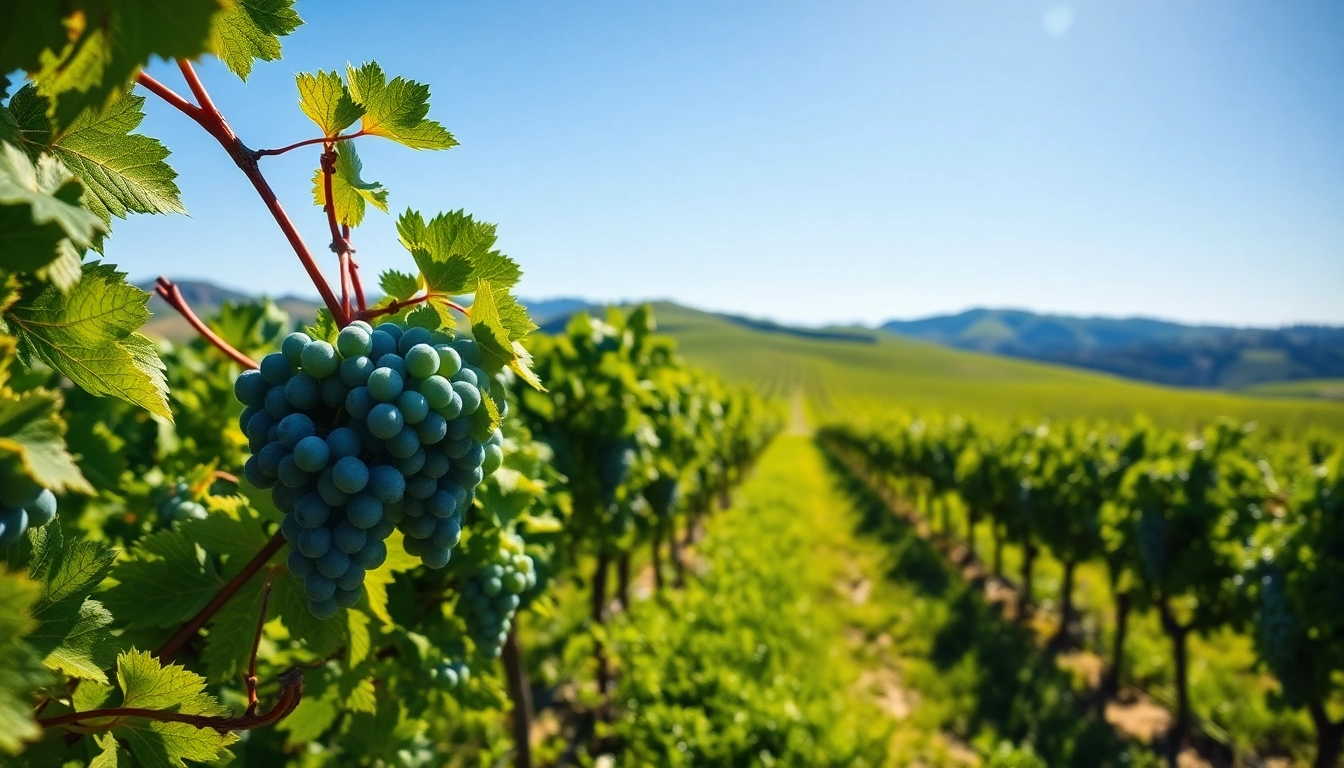
Introduction to Clarksburg AVA Grape Growers
The clarksburg AVA grape growers play a crucial role in the fine wine industry, contributing significantly to the quality and reputation of wines produced in this distinguished American Viticultural Area (AVA). Nestled in the fertile region of Clarksburg, California, these growers work diligently to nurture and cultivate some of the finest grape varieties suited for the unique climate and soil conditions of the area. Understanding their role is essential to appreciating the rich wine culture that Clarksburg embodies.
Understanding the Clarksburg AVA
The Clarksburg AVA, recognized for its picturesque waterways and rolling hills, covers 100 square miles and spans parts of both Yolo and Sacramento Counties. Known for its fertile soil and favorable climate, this region has gained a reputation for producing high-quality wine grapes. The AVA is characterized by its unique geographical features that contribute to its distinctive terroir, encompassing a variety of soils, climate patterns, and topographies.
With over 7,000 acres of vineyards, the Clarksburg AVA is home to more than 35 different grape varieties. Sustainability is a key focus among local grape growers, leading to innovative farming practices that not only enhance grape quality but also protect the environment. These efforts are essential in an era where climate change and resource conservation are critical concerns.
Importance of Grape Growers in Wine Production
Grape growers in the Clarksburg AVA are fundamental to wine production as they are responsible for the cultivation of grapes that serve as the backbone of winemaking. The quality of grapes harvested is paramount, influencing the overall characteristics of the final product. Skilled growers leverage their understanding of viticulture to ensure optimal fruit quality, from selecting the right vineyard site to implementing sustainable farming techniques.
Collaboration between grape growers and winemakers also enhances the wine production process. Many growers work directly with local wineries to provide grapes that meet specific quality criteria, ensuring that each wine produced from Clarksburg reflects the unique attributes of the region. This synergy contributes to the recognition of Clarksburg wines in competitive markets both domestically and internationally.
Overview of Grape Varieties Grown
The Clarksburg AVA is diverse in its grape production, with a special emphasis on varieties that thrive in its climate. The most commonly grown grapes include:
- Chardonnay: Often lauded for its versatility, Chardonnay grapes from Clarksburg produce wines with ripe fruit flavors and balanced acidity.
- Chenin Blanc: A signature grape of the region, Chenin Blanc showcases flavors ranging from floral to fruity, making it a favorite among local winemakers.
- Merlot: Known for its soft tannins and fruity profile, Merlot from Clarksburg is cherished for its drinkability.
- Cabernet Sauvignon: While less common, this robust variety contributes depth and complexity to blends.
The Role of Climate in Clarksburg AVA
Climate Characteristics Affecting Grape Growth
The climate of the Clarksburg AVA is a significant factor influencing grape growth and quality. It is characterized by warm days and cool nights, creating an ideal environment for ripening grapes while also preserving their acidity. The proximity to the Sacramento Delta moderates temperatures, providing a unique microclimate that supports the growth of various grape varieties.
Seasonal Changes and Their Impact
Seasonal changes play a vital role in the grape growing cycle within the Clarksburg AVA. The critical phases of grape development—bud break, flowering, and harvest—are intricately linked to temperature patterns and precipitation levels. Growers must adapt their practices according to seasonal shifts to optimize vineyard performance and grape quality.
Soil Types and Their Influence on Quality
The rich diversity of soil types across the AVA contributes significantly to the characteristics of the grapes. From sandy loams that encourage drainage to clay soils that retain moisture, each soil type brings distinct qualities to the grapes. Understanding these nuances allows grape growers to select varieties that will thrive in specific soil conditions, thereby enhancing overall quality.
Prominent Practices Among Clarksburg AVA Grape Growers
Sustainable Farming Techniques
Sustainability is a cornerstone of the viticulture practices in the Clarksburg AVA. Many grape growers have adopted organic and regenerative farming methods that prioritize environmental health. Practices include cover cropping, integrated pest management, and the use of natural fertilizers, which help maintain soil fertility and biodiversity.
Innovations in Grape Cultivation
The application of innovative technology plays a significant role in enhancing grape cultivation. Precision agriculture techniques, such as soil moisture sensors and drone monitoring, allow growers to make data-driven decisions. By harnessing technology, they can optimize irrigation, manage pests more effectively, and monitor vineyard health, ultimately improving grape quality.
Collaborations with Local Wineries
Collaboration between grape growers and nearby wineries is essential for the success of the Clarksburg wine industry. Many growers maintain direct relationships with winemakers, tailoring their farming practices to meet specific grape quality requirements. This cooperative spirit fosters a sense of community within the AVA, driving innovation and helping to refine the local wine profile.
Challenges Facing Grape Growers Today
Climate Change and Its Effects
Climate change poses significant challenges for grape growers in the Clarksburg AVA. Variations in temperature patterns, irregular precipitation, and increased instances of extreme weather can dramatically affect grape quality and yields. Growers must implement adaptive strategies, such as altering planting schedules or grape varieties, to mitigate these effects.
Market Trends Impacting Growers
Changing consumer preferences and global market trends present additional challenges for grape growers. The rise of natural and organic wines, along with increasing competition in the wine market, may require growers to adapt their practices and diversify their offerings. Staying informed about industry trends helps growers position themselves competitively.
Navigating Supply Chain Issues
The wine industry is also susceptible to supply chain disruptions that can affect everything from grape distribution to bottling. Clarksburg grape growers must navigate these challenges by developing strong supply networks and possibly exploring direct-to-consumer sales channels. Resilience and adaptability are key to overcoming such obstacles.
Future Directions for Clarksburg AVA Grape Growers
Potential for Expansion and Development
The future of the Clarksburg AVA holds significant potential for growth. As consumer interest in regional wines rises, there are opportunities for grape growers to expand their vineyards and diversify grape production. Investing in research and development will be critical for establishing new varieties and improving vineyard practices.
Engaging with the Wine Community
Engaging with the broader wine community can benefit Clarksburg grape growers significantly. Participating in local wine exhibitions, tastings, and festivals not only raises awareness of Clarksburg wines but also helps foster relationships with wine enthusiasts and industry professionals. Collaborative marketing efforts can enhance the AVA's visibility, attracting more visitors and consumers.
Enhancing Tourism in the Clarksburg Area
Enhancing tourism in the Clarksburg region is another avenue for growth. Creating immersive wine tourism experiences, such as vineyard tours, tastings, and educational programs, offers visitors an opportunity to connect with the land and the people behind the wines. This engagement cultivates loyalty among consumers and supports the local economy.
Frequently Asked Questions
What is Clarksburg AVA?
Clarksburg AVA is a designated American Viticultural Area in California, known for its rich vineyards and grape production, especially Chardonnay and Chenin Blanc.
How do grape growers contribute to wine quality?
Grape growers in Clarksburg AVA cultivate high-quality grapes by utilizing sustainable practices, choosing the right varieties, and paying attention to terroir conditions.
What types of grapes are commonly grown?
Common grape varieties in Clarksburg AVA include Chardonnay, Chenin Blanc, Merlot, and Sauvignon Blanc, recognized for their excellence in winemaking.
How does climate affect grape production in Clarksburg?
The climate in Clarksburg AVA is favorable for grape growing, with warm days and cool nights that help develop complex flavors in the grapes.
What challenges do Clarksburg grape growers face?
Clarksburg grape growers face challenges from climate change, market fluctuations, and supply chain issues, requiring adaptation and innovation to thrive.