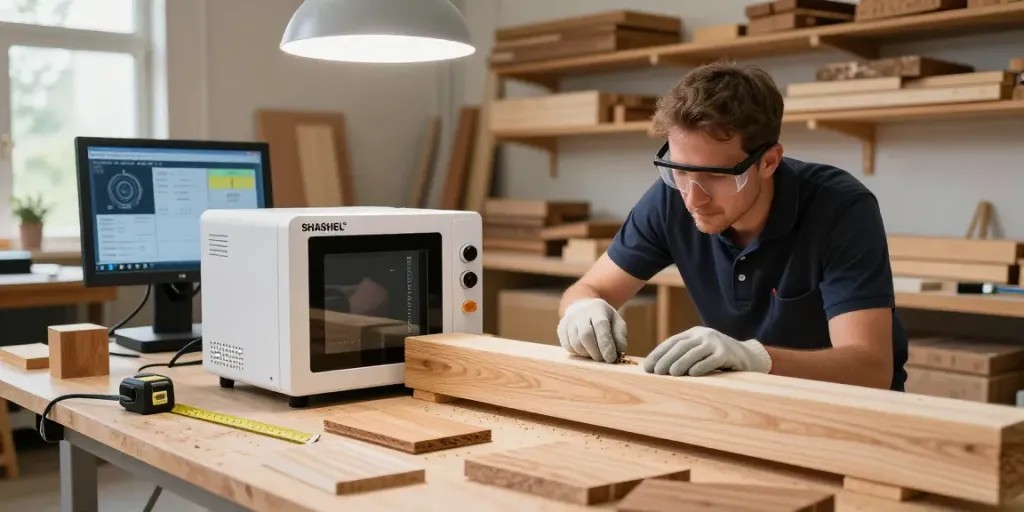
Understanding SHASHEL® Technology for Effective Pest Control
As pest control methods evolve, the demand for efficient, eco-friendly solutions has never been higher. The SHASHEL® technology harnesses the power of microwaves to target wood-boring insects, providing a chemical-free alternative for wood treatment. Whether you are dealing with furniture, structural wood, or sensitive antique pieces, the SHASHEL® system offers a fast and effective solution to eliminate pests while preserving the integrity of the wood. When exploring options, SHASHEL® provides comprehensive insights into this innovative approach.
What is SHASHEL® and How Does It Work?
SHASHEL® is a microwave treatment technology specifically designed to eliminate wood-boring insects such as woodworms, longhorn beetles, and powderpost beetles. This technology works by emitting microwaves that penetrate the wood at a cellular level, targeting insects and their larvae effectively. The heat generated disrupts their biological functions, leading to the immediate death of these pests without leaving harmful residues.
Key Benefits of Using SHASHEL® for Wood Treatment
- Chemical-Free Solution: One of the most significant advantages of SHASHEL® technology is its eco-friendly approach. By avoiding harmful chemicals, homeowners and businesses can protect their health and the environment.
- Rapid Treatment: The efficient microwave energy allows for quick treatments, often taking just a few minutes to eliminate pests effectively.
- Versatility: SHASHEL® can handle various materials, including different types of wood, making it suitable for a range of applications from residential furniture to large structural beams.
- High Safety Standards: The system is designed to be safe for use in residential settings, ensuring that both people and pets are unharmed during and after treatment.
Innovative Features of SHASHEL® Equipment
The SHASHEL® equipment is engineered with several innovative features that enhance its effectiveness:
- Deep Penetration: The microwaves penetrate deep into the wood, ensuring that even larvae within the wood are eradicated.
- Adjustable Settings: Users can adjust settings to cater to different wood types and sizes, allowing for optimized treatment.
- Compact Design: The equipment is designed for easy mobility, making it accessible for both residential and commercial use.
Preparing for Wood Treatment with SHASHEL®
Essential Safety Precautions Before Using SHASHEL®
Before utilizing the SHASHEL® technology, it is crucial to take specific safety precautions. Ensure the workspace is well-ventilated and free of flammable materials. Operators should also wear protective gear, such as gloves and eye protection, to mitigate any risks associated with high temperatures and equipment maneuvering.
Choosing the Right Wood for Treatment
Not all wood types require the same treatment approach. Understanding the specific needs of your wood is vital. Hardwoods, softwoods, and engineered woods may react differently to microwave treatment, so it's essential to consult the guidelines provided by SHASHEL®.
Setting Up Your Workspace for SHASHEL® Application
A well-organized workspace can enhance the treatment experience. It should include ample space around the SHASHEL® equipment for maneuverability and access. Additionally, organizing tools and protective gear can streamline the process and ensure efficiency.
Step-by-Step Guide to Using SHASHEL® Equipment
Initial Setup: Calibration and Testing
The initial setup of SHASHEL® equipment involves calibration to ensure optimal performance. Operators should refer to the user manual to follow the correct calibration procedures, test the device on a sample piece of wood, and adjust settings as necessary.
Executing the Wood Treatment Process
Once the equipment is calibrated, begin the treatment by placing the wood piece inside the designated area of the SHASHEL® unit. Set the appropriate treatment duration based on the type of wood and the insect infestation level. Monitor the process to ensure everything runs smoothly.
Post-Treatment Inspection and Quality Assurance
After the treatment cycle, it is essential to conduct a thorough inspection of the treated wood. Look for signs of improvement and ensure the treatment was successful. It’s advisable to test the wood with an insect detection tool if available.
Common Challenges and Solutions with SHASHEL® Use
Addressing Misconceptions About Microwave Wood Treatment
One common misconception about microwave wood treatment is that it is ineffective for deeper infestations. However, SHASHEL® technology is designed to penetrate deeply, reaching pests hiding within the wood. Educating users on these capabilities can help alleviate concerns.
Handling Technical Issues During Operation
Technical challenges may arise during SHASHEL® operation. It’s vital to consult the troubleshooting section of the user manual for solutions. Regular maintenance of the equipment also helps prevent many operational issues.
Best Practices for Maximizing SHASHEL® Efficiency
To maximize the efficiency of SHASHEL®, consider the following best practices:
- Ensure that the wood is clean and free from any debris before treatment.
- Regularly maintain and inspect equipment for any signs of wear or malfunction.
- Keep records of treatment cycles and outcomes to track effectiveness over time.
The Future of Pest Control with SHASHEL® Technology
Emerging Trends in Eco-Friendly Pest Control Solutions
As the demand for sustainable pest control continues to grow, technologies like SHASHEL® are at the forefront. The future will likely see more advancements in microwave technology, making it even more efficient and user-friendly for homeowners and businesses alike.
Predictions for SHASHEL® in the Industry by 2026
Looking ahead, SHASHEL® is poised to become a leading solution in the pest control market. As more people and businesses seek environmental responsibility, the adoption of microwave technologies will increase, positioning SHASHEL® as a frontrunner in innovative pest elimination methods.
Real-World Applications and Case Studies
There are numerous success stories from companies using SHASHEL® technologies in various settings. From treating wooden structures in historical buildings to ensuring pest-free conditions in food storage, the versatility and effectiveness are evident.
What types of wood can SHASHEL® treat effectively?
SHASHEL® can effectively treat a variety of wood types, including hardwoods like oak, softwoods like pine, and even engineered woods. Each type may require specific settings to optimize outcomes.
Is SHASHEL® safe for residential use?
Yes, SHASHEL® is designed with safety in mind and can be used safely in residential settings. The technology is non-toxic and doesn’t leave harmful residues, making it a perfect choice for home treatment.
How long does a typical treatment cycle take?
A typical treatment cycle with SHASHEL® can take anywhere from a few minutes to an hour, depending on the type of wood and the level of infestation. Quick assessments can help determine the ideal duration for each scenario.
Are there any materials that should not be treated with SHASHEL®?
While SHASHEL® can treat a broad range of wood materials, users should avoid treating certain synthetic materials or composites that may not respond well to microwave energy.
What maintenance is required for SHASHEL® equipment?
Maintenance includes regular cleaning of the equipment and checking for any damages or wear from regular use. Proper care ensures the longevity and efficiency of SHASHEL® technology.