Understanding the Importance of Roof Cleaning
Maintaining a clean roof is critical for protecting your home from a variety of issues that could develop over time. Roof cleaning not only enhances your home's appearance but also extends the lifespan of your roofing materials. Regular maintenance can prevent costly repairs and increase your home's energy efficiency. Engaging in Roof Cleaning should be seen as an investment rather than a mere expense.
Why Regular Roof Cleaning is Essential
Cleaning your roof at regular intervals prevents the buildup of debris, algae, moss, and other harmful materials. These deposits can cause excessive wear, moisture retention, and even lead to structural issues. Homes located in humid or damp environments are particularly prone to these problems. Statistics show that regular cleaning can extend the life of your roof by 10 to 20 years, making it essential in regions prone to growth.
Benefits of Professional Roof Cleaning
Hiring a professional roof cleaning service offers several advantages:
- Expertise: Professionals are trained to recognize potential issues during cleaning.
- Safety: Roof work can be dangerous, and professionals come equipped with safety gear and knowledge.
- Quality Equipment: Professionals have access to specialized tools that ensure thorough cleaning.
Overall, professional services may seem pricier, but they often save homeowners money in the long run by preventing damage that can arise from neglected roofs.
Common Roof Problems Addressed by Cleaning
Roof cleaning tackles several common issues:
- Algae and Moss: These organisms thrive in damp environments and can cause rot and deterioration.
- Debris Accumulation: Leaves and branches can trap moisture, leading to mold growth.
- Stains and Discoloration: These can affect curb appeal and potentially indicate more severe problems.
Regular cleaning helps mitigate these issues, ensuring your roof remains functional and attractive.
Different Roof Cleaning Methods Explained
Choosing a cleaning method is crucial and varies according to roof type and condition. Here are the commonly used methods:
Soft Washing: An Effective Technique
Soft washing utilizes low-pressure water combined with specialized cleaning agents to safely eliminate dirt and organic growth. This method is particularly well-suited for asphalt shingles, as it avoids the risk of damage caused by high-pressure systems. The chemicals used are biodegradable and help prevent future growth, ensuring your roof remains cleaner for longer.
Pressure Washing: Pros and Cons
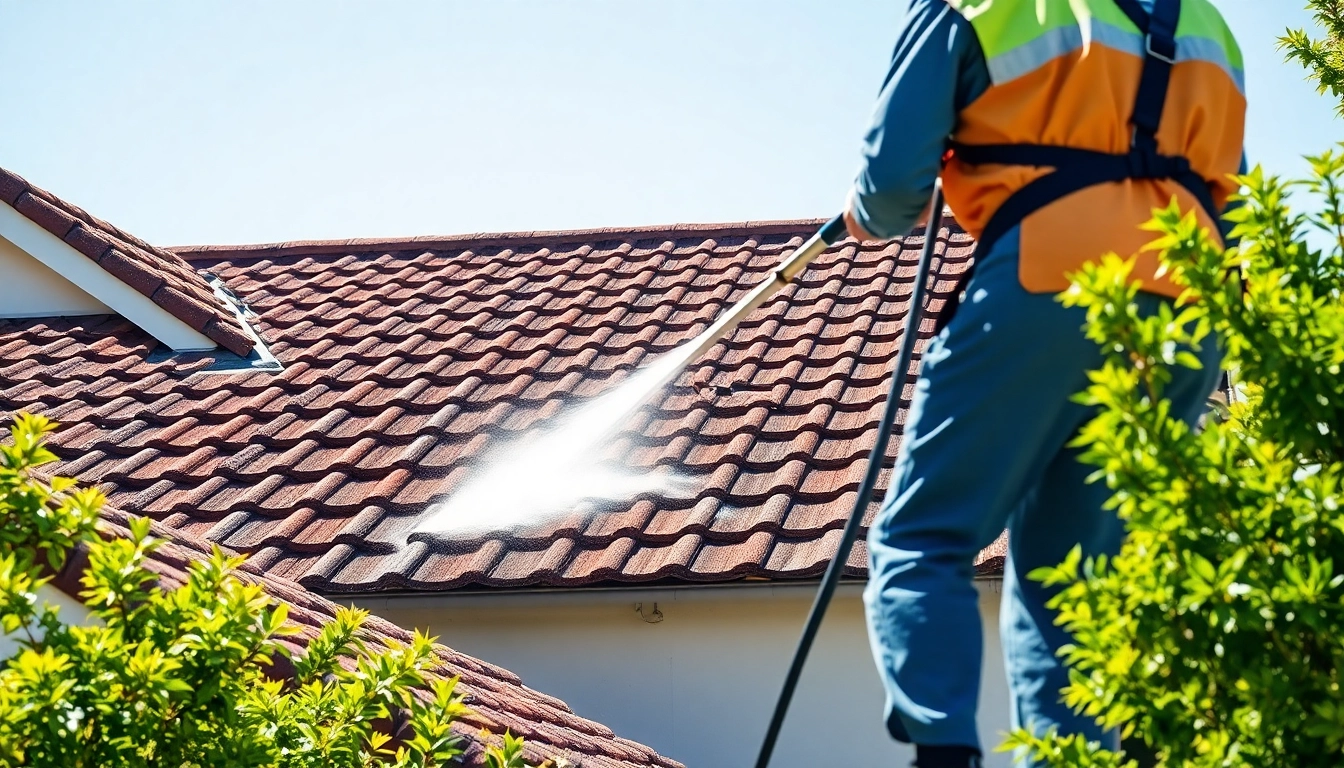
While pressure washing can be effective, it has its caveats. This method uses high-pressure water to blast away grime but can damage softer materials like asphalt shingles and wood shakes. It’s best suited for durable surfaces like tiles and metal roofs. When opting for this method, always ensure that a trained professional manages it to avoid potential roof harm.
Choosing a Method Based on Roof Type
Different materials require distinct cleaning approaches. For example:
- Asphalt Shingles: Soft washing is ideal due to its gentle nature.
- Cedar Shake: Requires a soft washing method that respects the wood’s integrity.
- Tile Roofs: Pressure washing can be used but should be managed cautiously.
Choosing the right method not only ensures effectiveness but also maximizes the longevity of your roofing material.
Preparing for a Roof Cleaning Service
Preparing your home for a professional cleaning service can lead to a smoother process. Here are steps to consider:
Safety Precautions for Homeowners
Homeowners should take precautions before the cleaning service arrives:
- Move outdoor furniture and decor away from the work zone to prevent damage.
- Ensure pets are contained inside to keep them safe from any chemicals.
- Notify your neighbors to prevent concerns regarding noise or chemical use.
What to Expect from a Professional Service
When you hire a professional roof cleaning service, expect an initial consultation where they assess your roof's condition. This may include discussing cleaning methods, the type of equipment they will use, and a cost estimate. Following this, they will typically cover your plants and structures to protect them from runoff.
Questions to Ask Your Roof Cleaning Provider
Before hiring a roof cleaning service, ask these crucial questions:
- What methods will you use, and why?
- Are your cleaning agents safe for the environment?
- Do you have liability insurance and worker’s compensation coverage?
These questions can help ensure that you engage a reputable and effective service provider.
DIY Roof Cleaning: Tips and Techniques
If you're considering a DIY approach for cleaning your roof, it's essential to be well-prepared and informed.
Essential Tools and Materials Needed
A DIY roof cleaning kit may include:
- Soft-bristled brush or a roof cleaning brush
- Ladder (if safe and familiar with its handling)
- Pressure washer (if confident in usage)
- Cleaning solution (choose biodegradable options to protect your plants)
Step-by-Step Guide to DIY Roof Cleaning
To clean your roof safely and effectively, follow these steps:
- Inspect the roof for any damages or weak spots.
- Remove any debris using your brush or blower.
- If using chemicals, mix according to instructions and apply evenly.
- Use a soft brush to agitate stubborn stains gently.
- Rinse thoroughly with low-pressure water to avoid damage.
Always prioritize safety by employing harnesses or working with a partner if you are climbing up on the roof.
Common Mistakes to Avoid During Cleaning
Many DIY enthusiasts make common errors, such as:
- Using high pressure that can damage roofing materials.
- Ignoring safety precautions can lead to accidents.
- Overestimating personal skills, especially with ladders.
Aiming for careful and methodical progress can mitigate these risks significantly.
Maintaining Your Roof After Cleaning
Once your roof is clean, taking steps to maintain its condition is vital for longevity.
Long-term Care Tips for Your Roof
To preserve your roof after cleaning, consider the following:
- Inspect regularly for signs of growth.
- Trim overhanging branches to minimize debris.
- Ensure gutters and drainage systems are clear to prevent water buildup.
Signs Your Roof Needs Cleaning Again
It’s essential to remain vigilant for signs that your roof may need another cleaning:
- Visible algae or moss growth.
- Dark streaks or stains.
- Accumulation of debris from nearby trees.
Cost Considerations for Roof Maintenance
The cost of roof maintenance can vary significantly based on several factors, including roof size, cleaning method, and local labor rates. On average, homeowners can expect to spend anywhere from a few hundred dollars to over a thousand for professional cleaning services. Understanding maintenance costs helps in budgeting for regular cleaning intervals and potential repairs.
Frequently Asked Questions About Roof Cleaning
1. How often should I clean my roof?
It's recommended to clean your roof at least once a year, especially in humid climates. This prevents algae and moss growth.
2. Is roof cleaning safe for shingles?
Yes, especially when using the soft washing method, which is safe for asphalt shingles. Proper techniques minimize the risk of damage.
3. Can I perform roof cleaning myself?
Yes, but ensure you use proper safety measures, appropriate tools, and biodegradable cleaning agents to protect your roof and surroundings.
4. What are the signs my roof needs cleaning?
Look for algae growth, dark stains, moss, or accumulated debris to determine if it’s time for a cleaning.
5. How can roof cleaning save me money?
Regular cleaning can extend the life of your roof, prevent damage, and reduce the need for costly repairs, ultimately saving you money.