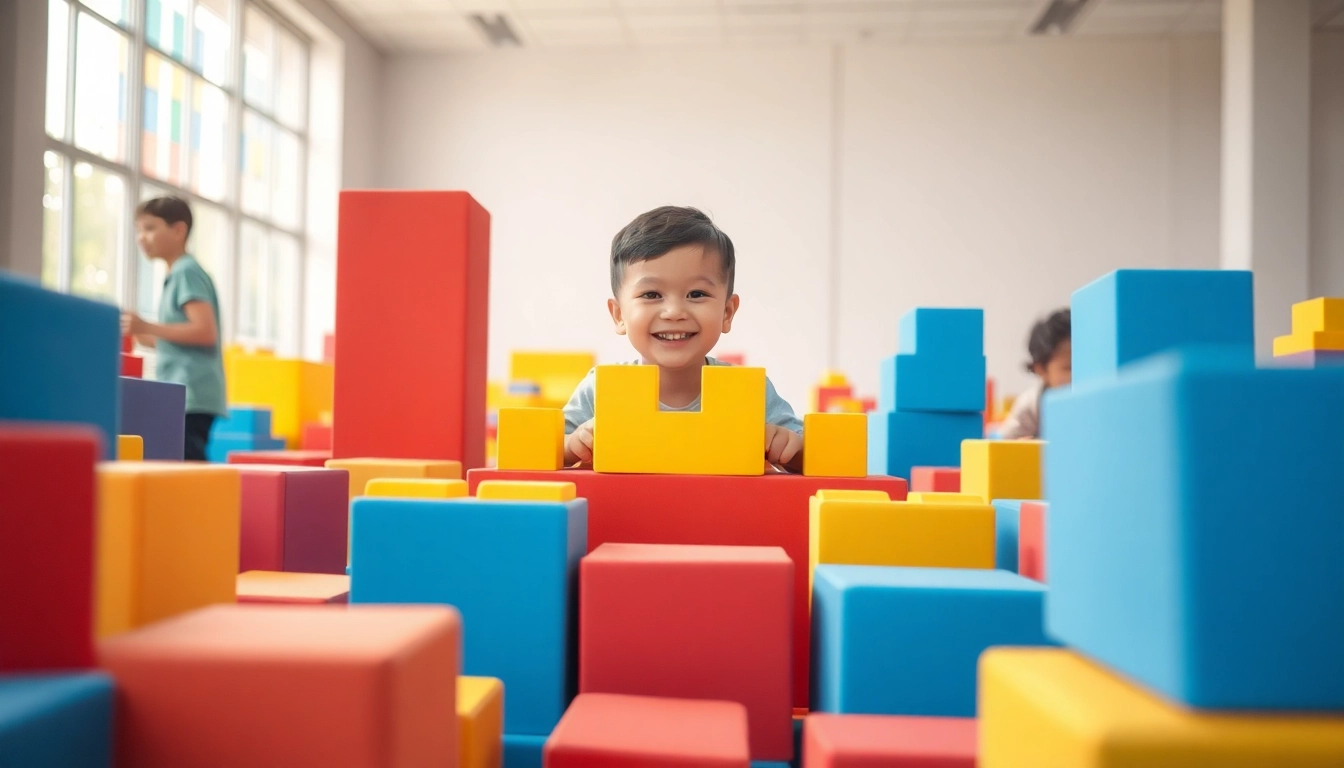
Introduction to Giant Building Blocks
In a world where playtime is increasingly confined to screens, giant building blocks offer a refreshing return to tactile creativity and imaginative play. These oversized toys ignite children's imaginations, allowing them to construct, deconstruct, and rebuild in ways that conventional toys simply cannot. With sizes that can tower over toddlers, giant building blocks invite endless possibilities for adventure. For those interested in exploring the myriad opportunities that giant building blocks present, feel free to discover more about how these building blocks can benefit your child’s play experience.
History and Evolution of Building Blocks
The concept of stacking and building has been around for centuries. Early primitive forms of building blocks can be traced back to ancient civilizations, where children would use natural elements like stones and wood. As the industrial revolution ushered in manufacturing processes, wooden blocks became a popular choice for children. Over time, these transformed from simple shapes into a variety of materials, including plastics and foam. Today’s giant building blocks feature vibrant colors and soft edges, making them safer and more appealing for young children and fostering an environment of creative play.
Types of Giant Building Blocks
Giant building blocks come in a variety of shapes and sizes, catering to different ages and play styles:
- Foam Blocks: Soft, lightweight, and safe, perfect for younger children. They are often covered in vibrant colors and can be easily stacked without fear of injury.
- Plastic Blocks: Durable and weather-resistant, many plastic blocks feature interlocking designs that allow for versatile building options both indoors and outdoors.
- Wooden Blocks: Eco-friendly and classic, wooden building blocks offer a tactile experience and are often more robust than their plastic counterparts.
- Magnetic Blocks: These blocks use magnetic edges to connect, allowing kids to explore engineering principles in a fun way.
- Oversized Duplicates: Some brands offer oversized versions of standard blocks making it easier for groups of children to engage in collaborative projects.
Benefits of Playing with Giant Blocks
Engaging with giant building blocks offers a plethora of benefits for children:
- Encourages Creativity: Children can create unique structures, fostering their imagination.
- Enhances Problem Solving: As kids strategize how to build stable designs, they develop critical thinking skills.
- Promotes Physical Activity: Building with giant blocks often requires movement, helping children learn balance and coordination.
- Boosts Confidence: Successfully completing a structure gives kids a sense of accomplishment.
- Facilitates Social Skills: When building as a team, children learn to share, communicate, and collaborate effectively.
Skills Developed Through Play
Cognitive Skills Enhancement
Playing with giant building blocks significantly enhances children’s cognitive skills. As children manipulate blocks, they develop spatial awareness, understand balance, and hone their ability to visualize how different structures can take shape. Problem-solving is at the heart of this play; as children attempt to build structures that stand or meet clever design challenges, they learn to think critically. This active engagement with building blocks fosters logical thinking and can lay the groundwork for skills in mathematics and engineering.
Physical Development Benefits
Giant building blocks also contribute to the physical development of children. Building with these oversized blocks requires muscle coordination and strength. Children engage in various physical activities, whether it’s lifting, stacking, or balancing blocks, which improves their gross motor skills. Additionally, as they kneel, reach, bend, and stretch during play, they enhance flexibility and dexterity. This form of play not only promotes fitness but also instills a love for movement and activity among young children.
Social Interaction and Teamwork
Giant building blocks serve as a fantastic medium for social interaction. When children join together to construct a large structure, they learn the importance of teamwork. They discuss their ideas, share their materials, and negotiate roles, which helps in teaching cooperation and empathy. These social skills are fundamental for long-term success, as children learn how to work with others effectively. The group dynamics during block play also lead to natural conflict resolution, as they face challenges together.
Setting Up the Perfect Play Space
Choosing the Right Location
Creating an ideal space for giant block play can significantly enhance the experience. Look for a wide, flat area that allows ample room for movement and building. Spaces indoors can vary from playrooms, living rooms, or basements. Outdoors, flat lawns or patio areas can add dimensions to play, encouraging the use of the environment in construction. Ensure that the space is free from sharp objects or hazards that could cause injury during playful exploration.
Safety Considerations
Safety is paramount when setting up a play area with giant building blocks. Ensure that the blocks themselves are made of child-safe materials, free from toxins or sharp edges. The ground surface should be soft, especially if children are climbing or jumping on the structures. Consider using mats or soft grass beneath the play area to cushion any falls. Additionally, supervise play sessions to ensure children are not engaging in dangerous play, such as climbing excessively high or throwing blocks.
Creative Layout Ideas
Once a location is chosen, consider how to arrange the blocks for maximum creativity. Here are some layout ideas:
- Designated Zones: Create specific areas for different building themes, like a construction zone or a castle building area.
- Incorporate Features: Use other props, such as fabric for tents or cardboard for walls to create an immersive experience.
- Color Coding: Sort the blocks by color to add an extra layer of complexity and aesthetic appeal during building.
- Themed Decorations: Integrate decorations that match the play’s theme, which could include toys, dolls, or even images that inspire the children’s building ideas.
Engaging Activities with Building Blocks
Themed Building Challenges
Themed challenges are an engaging way to stimulate kids during play. Create different construction themes, such as ‘castles’, ‘outer space’, or ‘bridges’. Provide pictures of iconic structures for inspiration or suggest challenges like building the tallest tower or designing a bridge that can hold weight. These challenges add excitement and can promote collaboration when children work together to achieve a common goal.
Collaborative Projects
Encouraging group projects using giant blocks can deepen social dynamics and problem-solving skills. Children can engage in large-scale builds where teamwork is necessary, like building a city or creating an obstacle course. Assigning roles such as 'builder,' 'architect,' or 'designer' gives children a sense of responsibility and encourages them to use their strengths within a team setting. Reflection sessions afterward can lead to discussions about what worked well and what could be improved in future projects.
Incorporating Educational Themes
Giant building blocks can also serve as valuable educational tools. For instance, challenge children to build structures based on geometric principles, introducing concepts like symmetry and balance. Additionally, incorporate lessons about architecture or engineering by exploring famous buildings or discussing different construction methods used in the industry. This blend of play and learning can instill a deeper understanding of scientific principles.
Maintenance and Care for Giant Building Blocks
Cleaning Tips and Best Practices
To keep giant building blocks in excellent condition, regular cleaning is essential. For foam blocks, wiping with a damp cloth and mild soap usually suffices. Plastic blocks can be scrubbed down with a brush, and wooden blocks should be cleaned carefully with a slightly damp cloth. It’s also advisable to periodically disinfect the blocks, especially after outdoor play, to eliminate germs and maintain hygiene for children.
Storage Solutions
Having a designated storage solution is vital to maintaining order and prolonging the life of the blocks. Consider purchasing organizer bins with dividers to separate different types of blocks. Alternatively, use a large tote or a shelving unit for easier access. Clearly labeling storage containers can make it easier for children to help with clean-up and ensure the blocks are restored to their original condition after play.
Repairing Damaged Blocks
Repairing damaged building blocks is easier than one might think. For plastic blocks, cracks can often be fixed with strong adhesive or tape. Foam blocks may require patching with appropriate materials, while wooden blocks can be sanded down for minor scratches. Regular inspection can prevent small issues from becoming larger problems, ensuring safe play for children long-term.
Frequently Asked Questions
What age group can safely play with giant building blocks?
Most children aged 2 and up can enjoy giant building blocks, but adult supervision is recommended.
How can giant blocks enhance learning?
They encourage creativity, problem-solving, and fine motor skills, making them great educational tools.
Are giant building blocks safe for indoor use?
Yes, they are made of soft materials and designed to be safe for indoor play, minimizing injury risk.
How many blocks do we need for a play session?
Around 50-100 blocks are suggested for varied play, allowing for multiple structures to be built simultaneously.
Can giant building blocks be used outdoors?
Yes, but ensure they are suitable for outdoor conditions and clean after use to maintain quality.