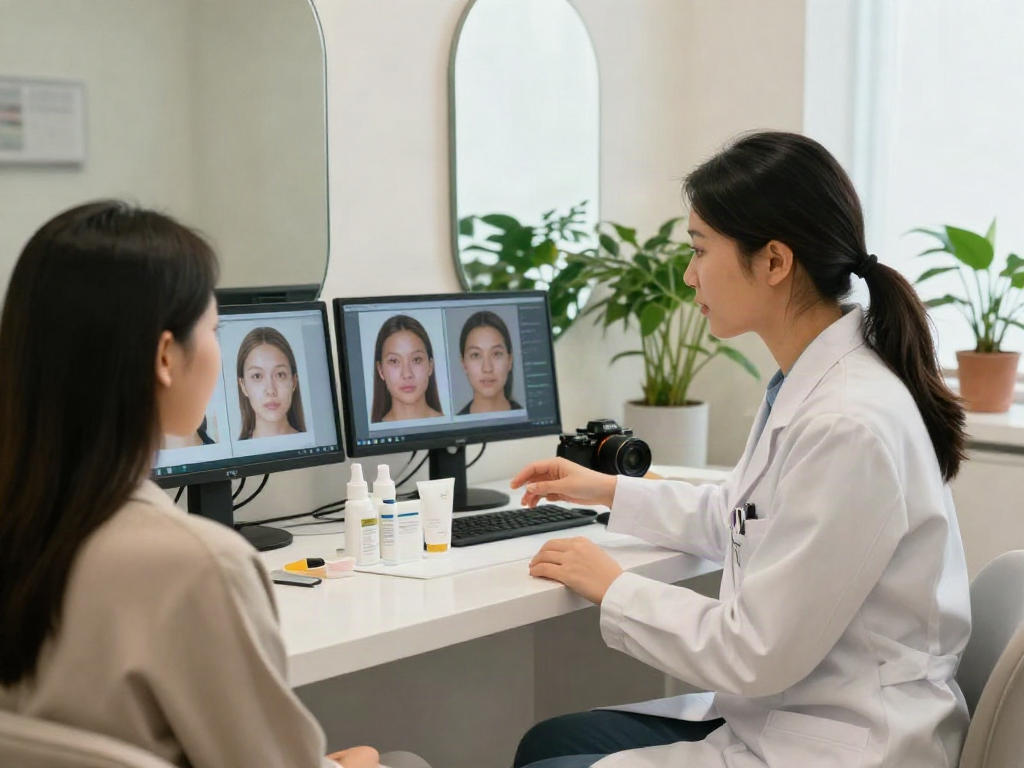
Understanding the Importance of a Medical Clinic Website in Dubai
In today's digitally connected world, the significance of a strong online presence cannot be overstated, especially for medical clinics in Dubai. A well-designed website functions not just as a digital business card but as a dynamic platform for attracting and engaging new patient leads. With the growing case of medical tourism and the competitive healthcare landscape in Dubai, having a robust online presence through a medical clinic website Dubai with patient leads is essential for any clinic's success.
Why a Website Matters for Medical Clinics
A website acts as a clinic's primary source of information for potential patients. It establishes credibility, provides essential information about services, and serves as a platform for patient interaction. In an era where patients often research healthcare providers online, having a user-friendly website can influence their choice of clinic. Furthermore, a quality website can enhance a clinic's visibility on search engines, making it easier for prospective patients to discover their services. In summary, a website is not just beneficial; it is a necessity for clinics aiming to grow their patient base in Dubai.
Key Features of an Effective Medical Clinic Website
To optimize a medical clinic website, certain features must be present:
- Easy Navigation: A clear and intuitive layout ensures users can find information quickly.
- Mobile Responsiveness: As more users access websites via phones, a responsive design is critical.
- Appointment Scheduling: Allowing patients to book appointments online simplifies processes and increases convenience.
- Informative Content: Relevant content on services, treatments, and healthcare advice adds value for potential patients.
- Contact Information: Clearly listed contact details help patients reach out easily for queries or appointments.
SEO Essentials for Medical Clinics in Dubai
Search Engine Optimization (SEO) is crucial in the competitive healthcare sector. By employing effective SEO strategies, clinics can improve their visibility in local and international search results. This involves keyword optimization, creating quality content, and optimizing meta descriptions and tags. Additionally, local SEO practices, such as claiming a Google Business Profile, can enhance a clinic's chances of appearing in local search results. Given that a significant number of patients search for healthcare services electronically, these practices can significantly boost patient leads.
Essential Elements of a Patient-Attracting Medical Clinic Website
Responsive Design for User Experience
Responsive design is paramount for a medical clinic's website. It ensures that the site adjusts seamlessly across various devices, including desktops, tablets, and smartphones. This adaptability enhances user experience, leading to longer visit durations and lower bounce rates. Google prioritizes mobile-friendly designs, which means a responsive site can also improve search engine rankings, ultimately driving more traffic and potential leads.
Content Strategies to Engage Patients
Generating quality content is essential for engaging patients effectively. Medical clinics should invest in creating educational blogs, informative articles, and engaging multimedia content that addresses common health concerns relevant to their audience. Offering comprehensive guides, FAQs, and expert tips not only positions the clinic as a trusted authority but also fosters patient loyalty. Regular updates, such as health tips or new service announcements, encourage repeat visits and enhance patient relationships.
Utilization of Social Proof and Testimonials
Social proof is a powerful influencer in patients' choices. Displaying testimonials from satisfied patients, showcasing positive reviews, and sharing case studies can significantly enhance a clinic's reputation. Including before-and-after images (with patient consent) or success stories demonstrates the clinic's ability to deliver results. This transparency fosters trust and can guide potential patients toward choosing the clinic for their healthcare needs.
Best Practices for Generating Patient Leads Online
Tailoring Marketing for the Dubai Healthcare Market
Understanding the unique characteristics of the Dubai healthcare market is critical for successful patient acquisition strategies. Targeted marketing campaigns must consider the diverse demographics, cultural nuances, and medical needs of the population. Content that addresses local healthcare issues or conditions prevalent in the region can resonate well with potential patients. This local touch not only increases engagement but also strengthens the connection with the community.
Leveraging Online Advertising for Visibility
Online advertising plays a significant role in increasing a clinic's visibility. Pay-Per-Click (PPC) campaigns, especially on platforms like Google and social media, can drive targeted traffic to the website. Through strategic keyword selection and demographic targeting, clinics can reach individuals actively searching for medical services. Additionally, retargeting ads can keep the clinic top-of-mind for users who previously visited the site, encouraging them to book appointments or engage with services.
Importance of Local SEO for Clinics in Dubai
Local SEO focuses on optimizing a clinic's online presence to attract more patients from relevant local searches. Vital strategies include optimizing the clinic's Google My Business listing, ensuring accurate business information, and accumulating positive patient reviews. Local SEO also involves creating location-specific content that highlights how the clinic meets the needs of the community. Investing in local citations and backlinks from reputable local businesses can improve search rankings, leading to more patient leads.
Measuring the Performance of Your Medical Clinic Website
Key Metrics to Track Patient Engagement
To gauge the effectiveness of a medical clinic's website, it is essential to monitor key performance metrics. Important indicators include website traffic, bounce rates, average session duration, and pages per session. Utilizing tools like Google Analytics provides insights into user behavior, helping clinics understand what content resonates most with patients. Regularly analyzing these metrics can inform strategic adjustments to enhance patient engagement and conversion rates.
Understanding Conversion Rates and Their Importance
Conversion rates indicate the percentage of website visitors taking desired actions, such as booking appointments or signing up for newsletters. Tracking conversion rates is crucial for understanding how effectively the website turns visitors into leads. Implementing clear Calls to Action (CTAs) and simplifying the appointment booking process can positively influence conversion rates. Regular assessments can help identify areas for improvement and ensure the website remains focused on converting visitors into patients.
Using Feedback to Improve Your Website
Feedback from patients serves as a valuable resource for enhancing website functionality and content. Implementing patient surveys or feedback forms can provide insights into user experiences and preferences. Analyzing feedback helps identify potential pain points, enabling clinics to make necessary adjustments. By prioritizing user experience and addressing patient concerns, clinics can create a website that meets their audience's needs and expectations.
Future Trends for Medical Clinic Websites in Dubai
Incorporating Telehealth Services on Your Website
The rise of telehealth services marks a significant trend in the healthcare sector. Clinics can benefit by integrating telehealth capabilities into their websites, offering virtual consultations and follow-ups. This convenience aligns with patient preferences for accessible healthcare options. Promoting these services prominently can enhance patient appeal and broaden the clinic's reach, especially amidst changing patient behaviors influenced by technology and remote healthcare solutions.
Embracing Artificial Intelligence in Patient Interaction
Artificial intelligence (AI) plays an increasing role in healthcare interactions. Integrating AI-driven chatbots on a clinic's website can provide instant support for patients seeking information or assistance. These chatbots can schedule appointments, answer common queries, or provide initial health advice, enhancing patient experience. Adopting AI technologies showcases a clinic's commitment to innovation, attracting tech-savvy patients and improving operational efficiency.
Adapting to Changes in Patient Expectations
As technology advances, patient expectations evolve accordingly. Clinics must adapt to these expectations by providing personalized and streamlined online experiences. This involves offering easy access to health information, appointment booking, and telehealth options. Regularly updating the website to reflect changes in services, patient needs, and emerging healthcare trends is essential for maintaining relevancy and ensuring ongoing patient engagement.
Frequently Asked Questions
What is the importance of a website for a medical clinic?
A website is crucial as it serves as the primary digital platform for attracting and engaging potential patients, enhances credibility, and provides vital information about services and appointments.
How can I improve my clinic's SEO?
Improving clinic SEO involves optimizing website content with relevant keywords, enhancing meta descriptions, ensuring mobile-responsiveness, and utilizing local SEO strategies like Google My Business listings.
What should be included in patient testimonials?
Patient testimonials should highlight positive experiences, the quality of care received, successful outcomes, and specific services that made a difference in their healthcare journey.
Why is a mobile-friendly website important?
A mobile-friendly website is essential as many users access online information through mobile devices; it enhances user experience and improves search rankings on Google.
How can I effectively measure my website's performance?
Utilize tools like Google Analytics to track metrics such as website traffic, bounce rates, session duration, and conversion rates to gauge performance and identify areas for improvement.